
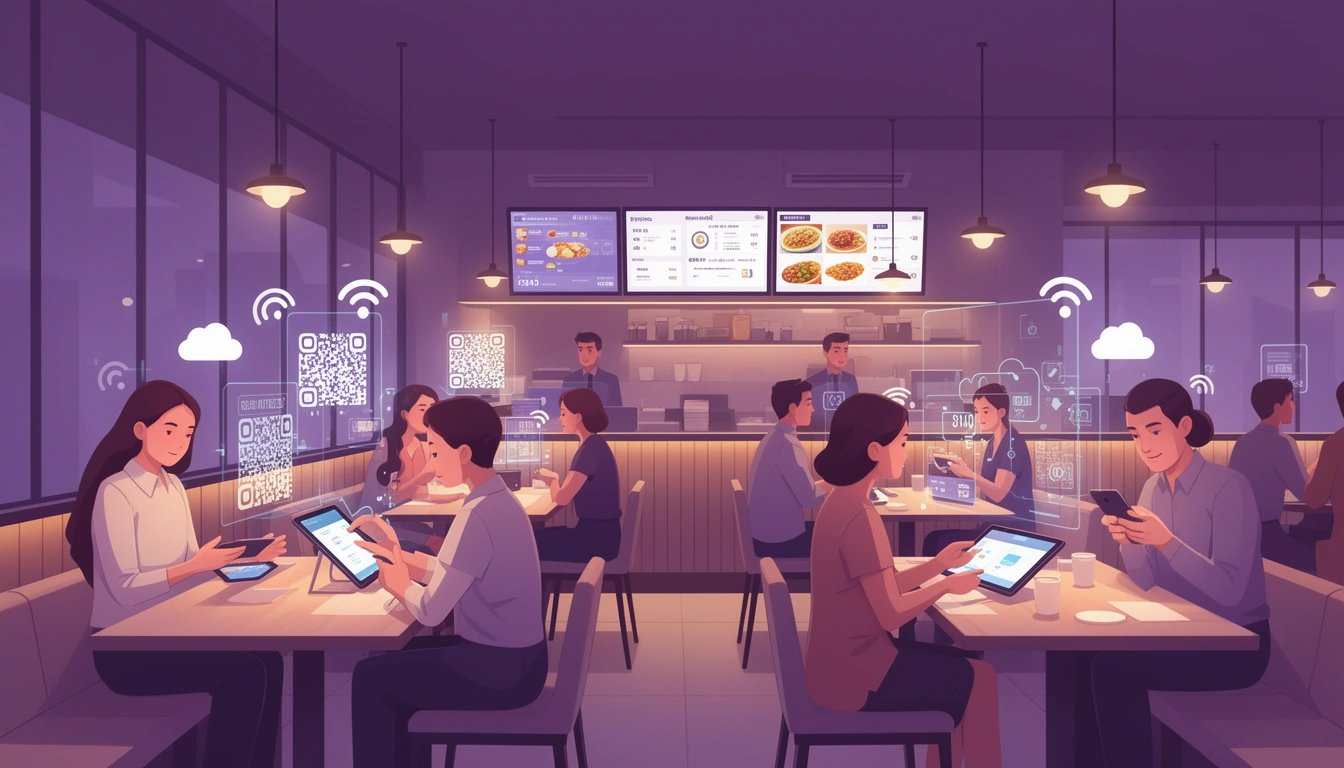
The restaurant industry is experiencing a technological revolution that's transforming how businesses operate, serve customers, and drive profitability. As we navigate through 2026, new restaurant technology is no longer optional it's essential for survival and growth in an increasingly competitive market.
From AI-powered ordering systems to cloud-based management platforms, the landscape of restaurant tech is evolving at breakneck speed. Whether you're running a cozy café or managing multiple locations, understanding and implementing these innovations can be the difference between thriving and merely surviving.
Restaurant Technology Trends Shaping 2026
The technology and restaurants relationship has deepened significantly over the past few years. Today's diners expect seamless digital experiences that match what they get from other service industries. Here are the key trends defining the current landscape:
Cloud-Based Restaurant Management Systems
Traditional on-premise software is rapidly becoming obsolete. Modern restaurant technology trends favor cloud-based solutions that offer flexibility, real-time data access, and automatic updates. These systems allow restaurant owners to monitor operations from anywhere, making multi-location management more feasible than ever.
Cloud platforms integrate billing, inventory, customer management, and analytics into a single dashboard. This consolidation eliminates the need for multiple software subscriptions and reduces the complexity of daily operations.
AI-Powered Customer Insights
Artificial intelligence is revolutionizing how restaurants understand and serve their customers. Technology used in restaurants now includes predictive analytics that forecast demand, optimize inventory, and personalize customer experiences.
AI algorithms analyze purchasing patterns to identify which customers are likely to churn, enabling proactive retention strategies. They can also recommend menu items based on individual preferences, weather conditions, and time of day, increasing average order values by up to 20%.
Contactless and Self-Service Solutions
The shift toward contactless experiences that accelerated during the pandemic has become permanent. QR code menus, mobile ordering, and contactless payments are now standard expectations rather than novelties.
Self-service kiosks and table-side ordering tablets reduce wait times and labor costs while improving order accuracy. These technologies free staff to focus on hospitality and complex customer needs rather than routine order-taking.
Emerging Technologies in Restaurants
Beyond the established trends, several emerging technologies in restaurants are beginning to make their mark:
Kitchen Automation and Display Systems
Modern kitchen display systems (KDS) have evolved far beyond simple order screens. Today's KDS solutions use AI to optimize cooking sequences, reduce ticket times, and minimize food waste. They can predict rush periods and suggest prep schedules accordingly.
Integration between front-of-house ordering and kitchen operations ensures that orders flow seamlessly from customer to kitchen to table. This coordination is particularly valuable during peak hours when every second counts.
Internet of Things (IoT) Devices
Smart refrigerators, connected ovens, and automated temperature monitoring systems represent the future technology restaurants are adopting to ensure food safety and operational efficiency. These IoT devices can alert managers to equipment failures before they cause costly downtime or food spoilage.
Smart inventory systems using IoT sensors can automatically track ingredient levels and trigger reorder notifications when stocks run low, eliminating the guesswork from inventory management.
Advanced Customer Engagement Platforms
Modern CRM systems designed for restaurants go beyond basic contact management. They enable sophisticated segmentation, automated marketing campaigns, and loyalty program management that drives repeat business.
These platforms can automatically send personalized offers to customers who haven't visited recently, birthday rewards, and special promotions based on dining history all without manual intervention from staff.
Technology in the Restaurant Industry: Implementation Benefits
Understanding the benefits of technology in the restaurant industry helps justify the investment required for digital transformation:
Enhanced Operational Efficiency
Integrated technology platforms eliminate duplicate data entry, reduce human error, and streamline workflows. Staff can process orders faster, manage tables more effectively, and spend less time on administrative tasks.
Real-time reporting provides instant visibility into sales performance, popular menu items, and peak service times, enabling data-driven decision-making.
Improved Customer Experience
Technology enables faster service, more accurate orders, and personalized interactions. Customers appreciate the convenience of online ordering, the transparency of order tracking, and the rewards from digital loyalty programs.
Features like call-button systems that allow customers to request service without waiting reduce frustration and improve table turnover rates.
Cost Reduction and Revenue Growth
While there's an upfront investment in new technology in restaurant industry, the long-term financial benefits are substantial. Automated processes reduce labor costs, better inventory management minimizes waste, and customer retention programs increase lifetime value.
Self-delivery options help restaurants avoid expensive third-party delivery commissions, directly improving profit margins on takeaway orders.
How Digital Eatery Embodies Modern Restaurant Tech
Digital Eatery represents the convergence of all these technological trends into a single, comprehensive platform designed specifically for small and medium-sized restaurants and cafes.
All-in-One Technology Solution
Digital Eatery combines billing, online ordering, customer management, and analytics into one cloud-based system. This integration eliminates the complexity and expense of managing multiple software subscriptions while ensuring all systems work together seamlessly.
Advanced Features for Modern Operations
The platform includes a kitchen display system that streamlines order preparation and serving, reducing ticket times and improving kitchen efficiency. Floor design tools allow you to digitally map your restaurant layout, making table management intuitive and visual.
The waiter calling button feature exemplifies thoughtful technology implementation it solves a real customer pain point (waiting for service) while reducing staff workload and improving the dining experience.
Customer Engagement and Retention
Digital Eatery's built-in loyalty program capabilities make it easy to reward frequent customers, track engagement, and automate personalized marketing campaigns. The customer data management features enable sophisticated segmentation and targeted promotions that drive repeat visits.
Flexibility and Scalability
Whether you're operating a single café or managing multiple locations, Digital Eatery scales with your business. The cloud-based architecture means you can monitor all locations from a single dashboard, standardize operations across sites, and maintain consistent customer experiences.
Cost-Effective Innovation
Unlike enterprise-level systems that require significant upfront investment and ongoing IT support, Digital Eatery is designed to be accessible to small and medium businesses. The web-based platform requires no special hardware, reduces setup time, and includes automatic updates that keep you current with the latest features and security standards.
Implementing Restaurant Technology: Best Practices
Successfully adopting restaurant tech requires more than just purchasing software. Consider these implementation strategies:
Start with Core Needs
Identify your biggest operational pain points whether that's order accuracy, inventory management, or customer retention and prioritize technology that addresses those specific challenges.
Ensure Staff Buy-In
Technology is only effective if your team actually uses it. Invest time in proper training, communicate the benefits clearly, and involve staff in the selection process when possible.
Choose Integrated Solutions
Platforms that integrate multiple functions reduce complexity and ensure data consistency across your operations. Avoid the headache of managing separate systems that don't communicate with each other.
Monitor and Optimize
Use the analytics and reporting features to continuously assess what's working and what isn't. Technology should evolve with your business, so be prepared to adjust configurations and workflows based on real-world results.
The Future of Restaurant Technology
Looking ahead, future technology restaurants will likely incorporate even more automation, deeper AI integration, and enhanced personalization capabilities. Voice-activated ordering, augmented reality menu experiences, and blockchain-based supply chain tracking are all on the horizon.
However, the fundamental goal remains constant: using technology to create better experiences for customers while making operations more efficient and profitable for owners.
Taking the Next Step
The new restaurant technology landscape in 2026 offers unprecedented opportunities for restaurants willing to embrace digital transformation. The barriers to entry have never been lower, with cloud-based platforms like Digital Eatery making enterprise-level capabilities accessible to businesses of all sizes.
Whether you're just beginning your technology journey or looking to consolidate and upgrade existing systems, the key is to choose solutions that align with your specific needs, scale with your growth, and genuinely improve both customer satisfaction and operational efficiency.
The restaurants that thrive in 2026 and beyond will be those that view technology not as an expense, but as a strategic investment in their future success. With the right tools and approach, you can transform your restaurant operations, delight your customers, and build a more profitable, sustainable business.
Published with LeafPad