
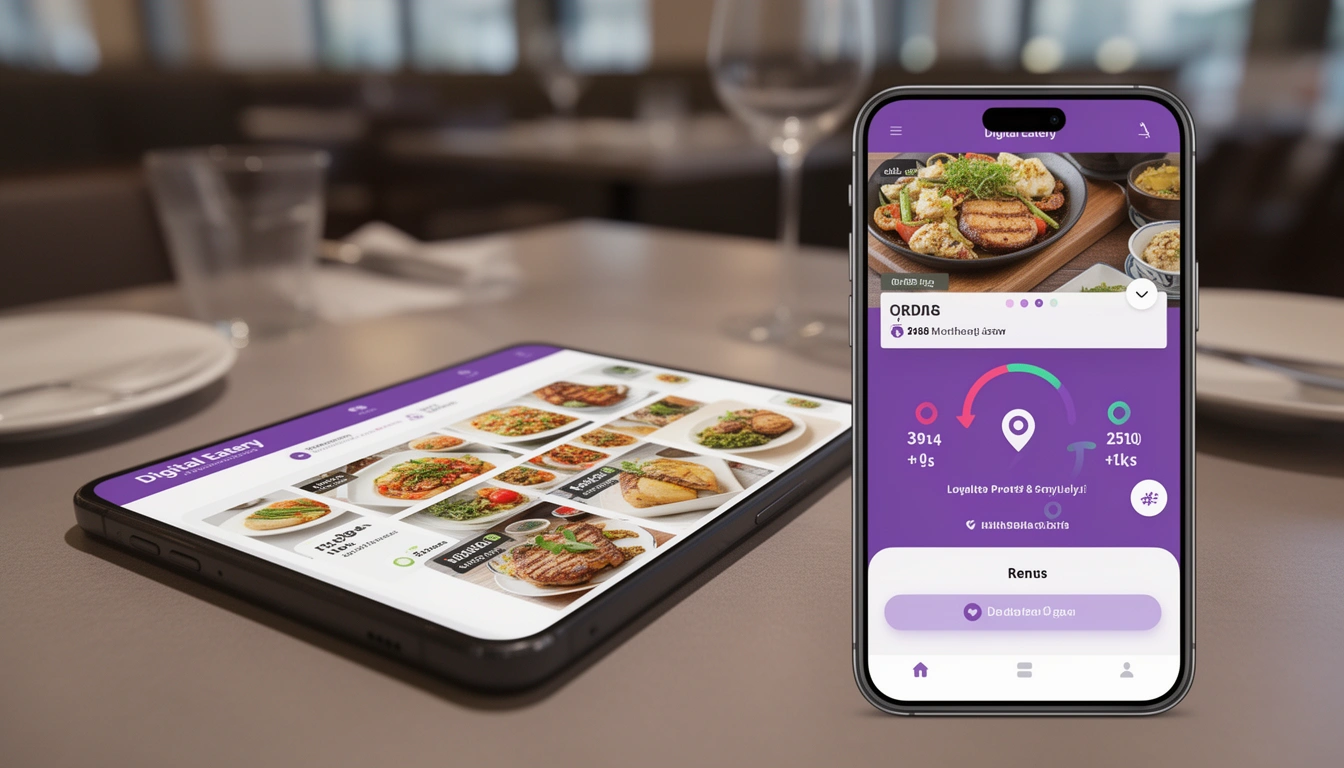
In today's competitive restaurant industry, having a mobile app is no longer a luxury it's a necessity. As we move through 2026, customers expect the convenience of ordering their favorite meals directly from their smartphones. A restaurant mobile app can transform your business operations, boost customer loyalty, and significantly increase revenue.
This comprehensive guide will walk you through everything you need to know about restaurant mobile apps, from essential features to implementation strategies, helping you make informed decisions for your restaurant business.
Why Your Restaurant Needs a Mobile App in 2026
The restaurant landscape has evolved dramatically. With over 85% of consumers using smartphones for dining decisions, a mobile app gives you direct access to your customers' pockets. Unlike third-party delivery platforms that charge hefty commissions (often 20-30%), your own app puts you in control of the customer relationship and keeps more revenue in your business.
Mobile apps also provide valuable customer data, enabling you to understand ordering patterns, preferences, and behaviors. This insight allows for targeted marketing campaigns and personalized experiences that drive repeat business.
Essential Features of a Restaurant Mobile App
User-Friendly Menu Browsing
Your app's menu should be intuitive and visually appealing. Customers should easily navigate through categories, search for specific items, and view high-quality images with detailed descriptions. Include filters for dietary preferences, allergens, and spice levels to enhance the browsing experience.
Multiple Order Types
Modern customers want flexibility. Your app should support takeaway, delivery, and dine-in ordering options. For dine-in, consider integrating QR code ordering capabilities that allow customers to place orders directly from their table.
Customization Options
Allow customers to personalize their orders with size options, toppings, preparation preferences, and special instructions. This flexibility increases order accuracy and customer satisfaction while reducing phone inquiries.
Real-Time Order Tracking
Transparency builds trust. Implement real-time order tracking that shows customers when their order is received, being prepared, out for delivery, or ready for pickup. Push notifications keep customers informed without them having to constantly check the app.
Integrated Loyalty Programs
Build customer retention with built-in loyalty programs. Award points for every purchase, offer exclusive app-only deals, and create tiered rewards that incentivize higher spending. Digital Eatery's platform makes implementing these programs seamless and automated.
Multiple Payment Options
Security and convenience are paramount. Support various payment methods including credit/debit cards, digital wallets, UPI, and cash on delivery. Saved payment information speeds up the checkout process for returning customers.
Customer Support Features
Include in-app chat support, FAQ sections, and easy access to contact information. For dine-in customers, a waiter calling button can enhance the dining experience by allowing them to request assistance without waiting.
Types of Restaurant Mobile Apps
Native Apps
Native apps are built specifically for iOS or Android platforms. They offer the best performance, access to device features like camera and GPS, and work offline. However, they require separate development for each platform, making them more expensive.
Web-Based Apps (PWA)
Progressive Web Apps work through mobile browsers but feel like native apps. They're cost-effective, work across all devices, and don't require app store approval. However, they have limited access to device features and may not perform as smoothly as native apps.
Hybrid Apps
Hybrid apps combine elements of both native and web apps. They use a single codebase that works on multiple platforms, reducing development costs while still providing app store presence. This is often the sweet spot for small to medium restaurants.
Building vs. Buying a Restaurant Mobile App
Custom Development
Building a custom restaurant app from scratch gives you complete control over features and branding. However, expect costs ranging from $20,000 to $100,000+ and development timelines of 3-6 months or longer. You'll also need ongoing maintenance and updates.
White-Label Solutions
White-label platforms like Digital Eatery offer pre-built apps that you can customize with your branding. These solutions are significantly more affordable (often under $50-100 per month), can be launched within days, and include ongoing support and updates.
For small to medium restaurants, white-label solutions provide the best value, offering professional features without the massive investment or technical expertise required for custom development.
Implementing Your Restaurant Mobile App with Digital Eatery
Digital Eatery provides a comprehensive solution that goes beyond just a mobile app. Here's what makes it ideal for restaurant businesses:
Complete Online Ordering System
As part of Digital Eatery's free online ordering system, your mobile app integrates seamlessly with your website and POS system. Orders from all channels sync automatically, eliminating manual entry and reducing errors.
Self-Delivery Option
Save on third-party delivery fees by managing deliveries in-house. The app supports your own delivery fleet, helping you maintain higher profit margins while controlling the customer experience from start to finish.
Integrated Billing and Kitchen Display
Orders from your mobile app flow directly to your billing system and kitchen display, streamlining operations and ensuring faster service. Your kitchen staff sees orders in real-time with preparation instructions and timing.
Customer Data Management
Build detailed customer profiles automatically. Track ordering history, preferences, and spending patterns to create targeted promotions and personalized offers that drive repeat business.
Multi-Location Support
If you operate multiple outlets, Digital Eatery allows customers to order from any location through a single app while you manage all locations from one dashboard.
Launching Your Mobile App Successfully
Pre-Launch Preparation
Before going live, thoroughly test all features. Place test orders for delivery, pickup, and dine-in. Verify payment processing, notification systems, and order tracking accuracy. Train your staff on handling app orders and troubleshooting common issues.
Marketing Your App
Promote your app through multiple channels. Add QR codes on receipts, table tents, and menus. Offer first-order discounts exclusively for app users. Use social media to showcase app features and benefits. Include app download links in email signatures and promotional materials.
Incentivizing Downloads
Give customers compelling reasons to download your app. Offer a welcome discount, bonus loyalty points, or a free item with their first app order. Make app-exclusive deals a regular occurrence to maintain engagement.
Maximizing App Success: Best Practices
Regular Updates and Improvements
Keep your app fresh with seasonal menu updates, new features, and bug fixes. Monitor app store reviews and user feedback to identify pain points and opportunities for improvement.
Push Notification Strategy
Use push notifications strategically, not excessively. Send order updates, exclusive offers, and personalized recommendations based on customer preferences. Avoid spamming users, which leads to app uninstalls.
Analytics and Optimization
Track key metrics like download rates, active users, average order value, and conversion rates. Use this data to optimize your menu presentation, pricing, and promotional strategies.
Customer Feedback Loop
Make it easy for customers to provide feedback within the app. Respond promptly to reviews and complaints. Show customers you value their input by implementing requested features when feasible.
Common Challenges and Solutions
Low Adoption Rates
If customers aren't downloading your app, reassess your value proposition. Are you offering compelling enough incentives? Is the download process too complicated? Simplify the onboarding and increase initial rewards.
Technical Issues
Choose a reliable platform like Digital Eatery that handles technical maintenance and provides support. This prevents you from dealing with crashes, slow loading times, or payment processing errors that frustrate customers.
Staff Resistance
Some staff may resist new technology. Provide comprehensive training and emphasize how the app makes their jobs easier by reducing phone orders, improving order accuracy, and streamlining kitchen operations.
The Future of Restaurant Mobile Apps
As we progress through 2026, restaurant mobile apps are incorporating AI-powered recommendations, voice ordering, augmented reality menu previews, and even more sophisticated personalization. While these advanced features may not be necessary for every restaurant, staying informed about trends helps you remain competitive.
The integration of contactless dining solutions continues to evolve, with mobile apps serving as the central hub for the entire dining experience from reservation to payment.
Getting Started with Digital Eatery
Implementing a restaurant mobile app doesn't have to be overwhelming or expensive. Digital Eatery offers an all-in-one solution that includes mobile app functionality, online ordering, billing software, and customer management all designed specifically for small to medium restaurants and cafes.
The platform requires no technical expertise, can be set up in minutes, and scales with your business. Whether you run a single cafe or multiple restaurant locations, Digital Eatery provides the tools you need to compete in today's digital-first market.
Conclusion
A restaurant mobile app is no longer optional for businesses serious about growth in 2026. It provides direct customer access, reduces dependency on expensive third-party platforms, builds loyalty, and provides valuable data to inform business decisions.
With solutions like Digital Eatery, the barriers to entry have never been lower. You don't need a massive budget or technical team to offer your customers a professional, feature-rich mobile ordering experience. Start small, promote consistently, and watch as your mobile app becomes one of your most valuable business assets.
The question isn't whether you should have a restaurant mobile app it's how quickly you can get one up and running to capture the growing mobile-first customer base. Your competitors are already there. It's time to join them.
Published with LeafPad