
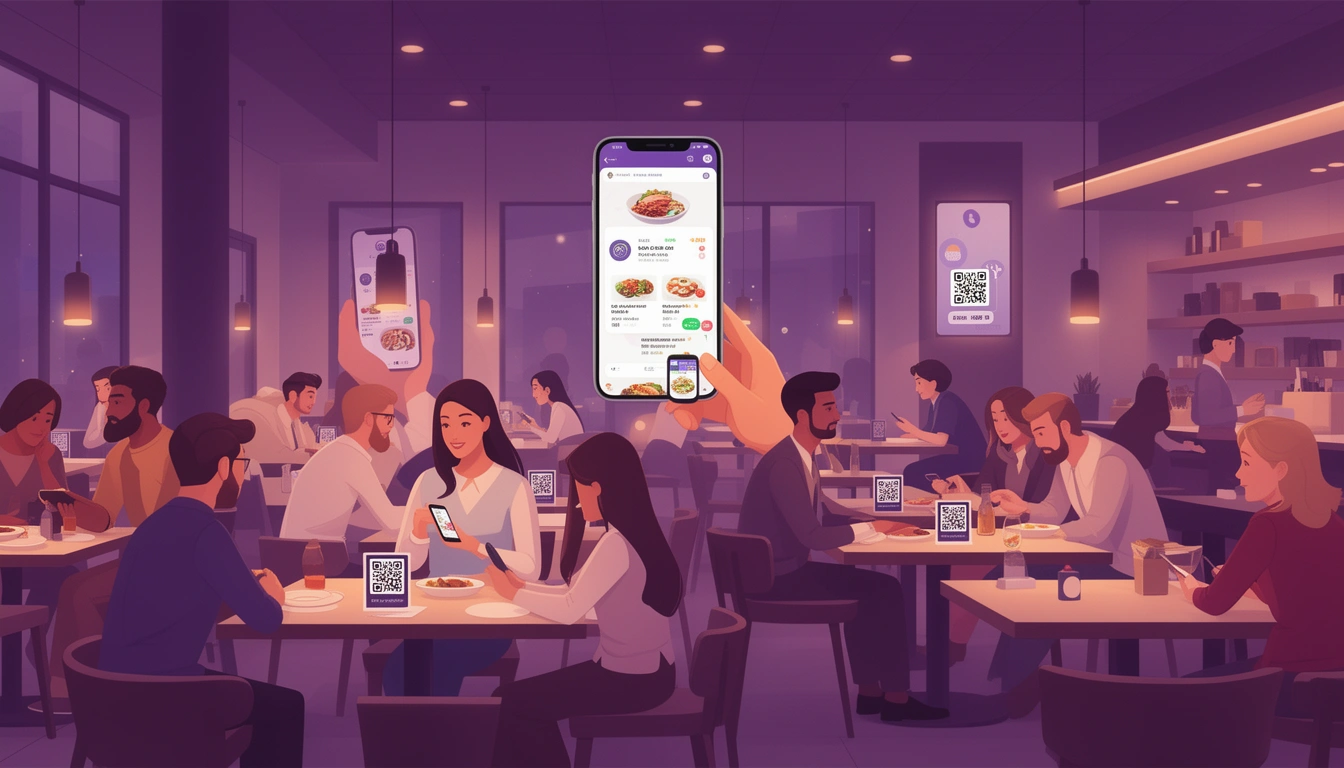
QR code ordering has revolutionized how restaurants interact with customers, offering a seamless blend of safety, efficiency, and modern convenience. As we navigate through 2026, this technology has evolved from a pandemic necessity to a permanent fixture in the restaurant industry, transforming the dining experience for both customers and staff.
What Is QR Code Ordering?
QR code ordering is a digital ordering system that allows customers to scan a Quick Response (QR) code using their smartphone camera to access a restaurant's menu, place orders, and often make payments all without physical menus or direct staff interaction. This contactless solution has become increasingly sophisticated, offering features that go far beyond simple menu browsing.
Unlike traditional QR code menus that only display food items, QR code ordering systems enable complete transaction capabilities, from customizing orders to processing payments, creating a fully digital dining experience.
How QR Code Ordering Works
The process is remarkably straightforward:
- Customer Arrives: Upon being seated or entering the restaurant, customers see QR codes displayed on tables, counters, or signage
- Scan the Code: Using their smartphone camera, customers scan the QR code without downloading any app
- Browse Menu: The digital menu opens instantly in their mobile browser, complete with images, descriptions, and prices
- Customize & Order: Customers select items, customize options (size, toppings, special instructions), and submit their order
- Real-time Processing: Orders are sent directly to the kitchen display system and billing interface
- Payment: Customers can pay immediately or when ready to leave, all through their phone
Key Benefits for Restaurants
1. Reduced Labor Costs
QR code ordering significantly reduces the need for order-taking staff. Servers can focus on delivering food, attending to special requests, and enhancing customer experience rather than being tied up taking orders. For small to medium-sized establishments, this can translate to 20-30% savings in front-of-house labor costs.
2. Increased Order Accuracy
When customers input their own orders, miscommunication is virtually eliminated. Special dietary requirements, customizations, and preferences are clearly documented, reducing kitchen errors and food waste. Studies show QR ordering reduces order errors by up to 85% compared to traditional methods.
3. Higher Average Order Values
Digital menus can strategically showcase high-margin items, suggest add-ons, and display appealing food photography that encourages upselling. Customers browsing at their own pace tend to order more, with average ticket sizes increasing by 15-25%.
4. Faster Table Turnover
Without waiting for servers to take orders or bring checks, the dining cycle accelerates. Orders reach the kitchen immediately, and customers can pay and leave when ready, potentially increasing table turnover by 10-20% during peak hours.
5. Valuable Customer Data
QR ordering systems collect rich data on customer preferences, ordering patterns, and popular menu items. This information is invaluable for menu optimization, targeted marketing, and inventory management.
Advantages for Customers
Safety and Hygiene
Eliminating shared physical menus reduces touchpoints and potential contamination a concern that remains relevant in 2026. Customers appreciate the hygiene aspect of contactless menu ordering.
Complete Control
Customers can browse menus at their own pace without feeling rushed, review ingredients and allergen information carefully, and customize orders exactly to their preferences.
Multilingual Support
Digital menus can easily offer multiple language options, making restaurants more accessible to tourists and diverse communities.
Visual Experience
High-quality images and detailed descriptions help customers make informed decisions, especially when trying new cuisines or dishes.
Essential Features of an Effective QR Code Ordering System
Intuitive User Interface
The ordering interface must be simple and responsive, working flawlessly on all smartphone types. Complex navigation frustrates customers and defeats the purpose of convenience.
Menu Customization Options
Customers should easily modify orders with options for size, preparation preferences, add-ons, and special instructions. The system should handle complex customizations common in modern dining.
Real-Time Inventory Updates
Nothing frustrates customers more than ordering unavailable items. The system should automatically hide or mark sold-out items based on current inventory levels.
Order Tracking
Customers appreciate knowing their order status received, being prepared, or ready. Real-time notifications enhance the experience and reduce anxiety about wait times.
Multiple Payment Options
Support for credit cards, digital wallets, UPI, and other popular payment methods ensures customers can pay using their preferred method.
Integration Capabilities
The QR ordering system should integrate seamlessly with your existing restaurant billing software, kitchen display systems, and inventory management tools.
Implementing QR Code Ordering with Digital Eatery
Digital Eatery offers a comprehensive QR code ordering solution designed specifically for small and medium-sized restaurants and cafes. The platform combines powerful features with affordability and ease of use.
Quick Setup Process
Getting started takes minutes, not weeks. Upload your menu, customize your branding, and generate QR codes for your tables. No technical expertise required.
Seamless Integration
Digital Eatery's QR ordering integrates with the kitchen display system, ensuring orders flow smoothly from customer phones to kitchen screens without manual intervention.
Customization and Branding
Maintain your restaurant's identity with customizable themes, colors, and logos. Your digital menu should reflect your brand, not look generic.
Built-In Loyalty Programs
Encourage repeat business by automatically enrolling QR ordering customers in loyalty programs, tracking their purchases, and rewarding frequent diners.
Best Practices for QR Code Ordering Success
Strategic QR Code Placement
Place codes where they're easily visible and accessible. Table tents, wall displays, and entrance signage work well. Ensure codes are large enough to scan easily, even in varied lighting conditions.
Provide Instructions
While smartphone users are generally tech-savvy, brief instructions help first-time users. Simple text like "Scan to order and pay" sets clear expectations.
Maintain Hybrid Options
Always offer alternatives for customers who prefer traditional ordering or don't have smartphones. Staff should be ready to assist when needed.
Optimize Your Menu
Digital menus should be concise and well-organized with clear categories, high-quality images, and accurate descriptions. Regularly update based on customer feedback and ordering data.
Train Your Staff
While QR ordering reduces staff involvement in order-taking, team members must understand the system to assist customers, troubleshoot issues, and maximize the technology's benefits.
Overcoming Common Challenges
Connectivity Issues
Ensure robust WiFi coverage throughout your restaurant. Offer guest WiFi passwords prominently so customers can connect if mobile data is weak.
Customer Resistance
Some diners prefer personal interaction. Train staff to warmly explain benefits and assist reluctant customers. Emphasize that the waiter calling feature allows customers to request assistance anytime.
Technical Support
Choose a provider like Digital Eatery that offers reliable customer support to quickly resolve any system issues that arise during service.
The Future of QR Code Ordering in 2026 and Beyond
QR code ordering continues evolving with emerging technologies:
- AI-Powered Recommendations: Systems now suggest dishes based on previous orders, dietary preferences, and popular pairings
- Voice Ordering: Integration with voice assistants allows hands-free ordering for accessibility
- Augmented Reality: Some systems offer AR previews showing dishes in 3D before ordering
- Social Integration: Customers can share favorite dishes or split bills with dining companions digitally
Cost Considerations
QR code ordering systems vary widely in pricing. Digital Eatery offers competitive pricing tailored for small businesses, with no hidden fees or expensive hardware requirements. The return on investment typically materializes within 2-3 months through labor savings and increased order values.
Unlike traditional POS upgrades requiring significant capital investment, QR ordering works with existing smartphones and tablets, minimizing upfront costs.
Making the Switch
Transitioning to QR code ordering doesn't require abandoning existing systems overnight. Many restaurants implement it gradually:
- Pilot Program: Start with a few tables to test customer reception and iron out issues
- Promotion Period: Offer small discounts or loyalty points for customers using QR ordering
- Gather Feedback: Actively solicit customer opinions and adjust based on responses
- Full Rollout: Once refined, expand to all seating areas while maintaining traditional options
Conclusion
QR code ordering represents a fundamental shift in restaurant operations, offering benefits that extend far beyond contactless convenience. For restaurants using online ordering systems, QR technology provides an additional channel to serve customers efficiently while gathering valuable data and reducing operational costs.
Digital Eatery's QR code ordering solution empowers small and medium-sized restaurants to compete with larger establishments, offering enterprise-level features at accessible prices. Whether you run a café, restaurant, or food truck, implementing QR code ordering in 2026 isn't just about keeping up with trends it's about meeting customer expectations and positioning your business for sustainable growth.
The technology is proven, customers are receptive, and the benefits are measurable. The question isn't whether to implement QR code ordering, but how quickly you can get started.
Published with LeafPad