
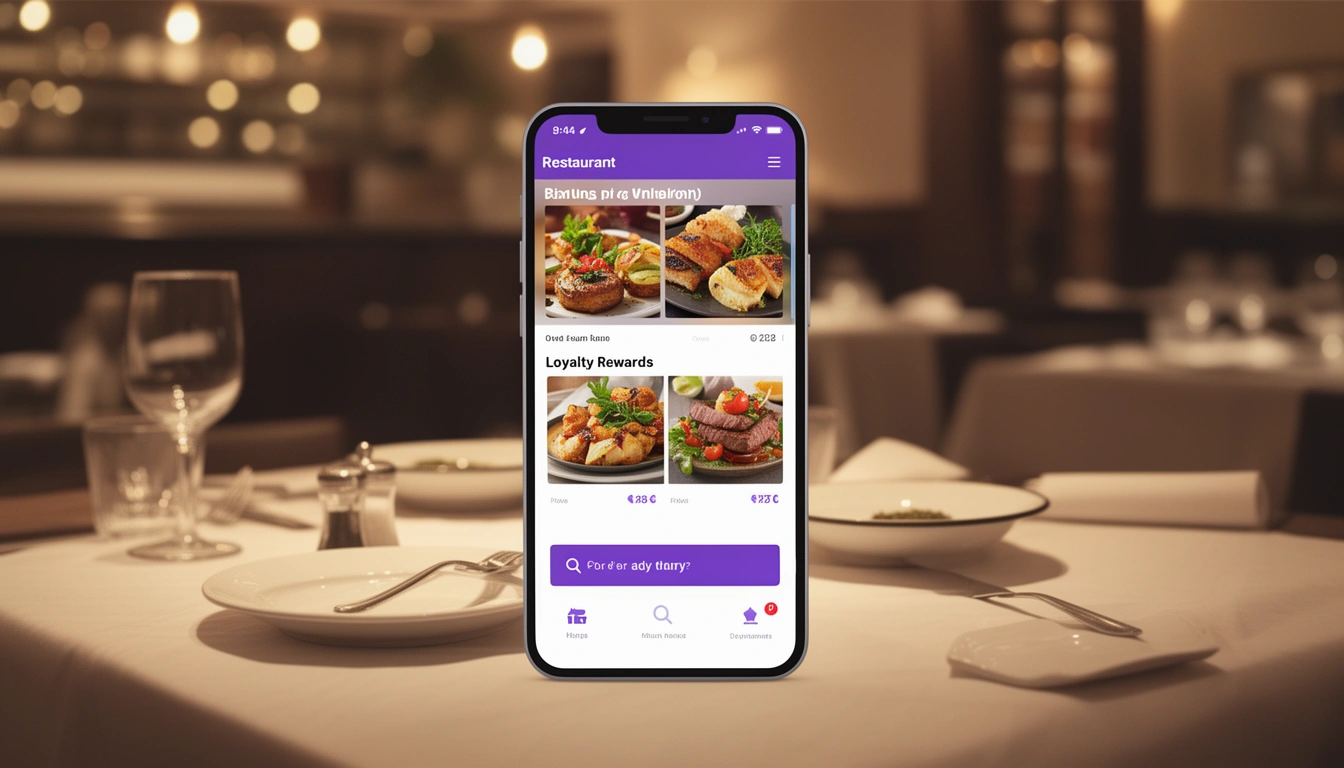
In today's competitive restaurant landscape, having a custom mobile app for your restaurant is no longer a luxury it's a necessity. As we move through 2026, customer expectations have evolved, and diners want the convenience of ordering from their favorite restaurants with just a few taps on their smartphones. If you're a small to medium-sized restaurant owner, you might think custom apps are only for large chains, but that's no longer the case.
This comprehensive guide will walk you through everything you need to know about custom restaurant apps, from their benefits to how you can get one without breaking the bank.
What Is a Custom Restaurant App?
A custom restaurant app is a branded mobile application designed specifically for your restaurant business. Unlike generic third-party delivery platforms where you're just one of thousands of restaurants, a custom app puts your brand front and center. It allows customers to browse your menu, place orders, make reservations, earn loyalty points, and interact directly with your business all within an app that bears your restaurant's name and branding.
The key difference between a custom app and using platforms like UberEats or DoorDash is ownership and control. With your own app, you own the customer relationship, the data, and you're not paying hefty commission fees on every order.
Why Your Restaurant Needs a Custom App in 2026
1. Eliminate Third-Party Commission Fees
Third-party delivery platforms typically charge 15-30% commission on every order. For a small restaurant operating on thin margins, these fees can significantly impact profitability. With a custom app, you keep 100% of the revenue from each order, which can translate to thousands of dollars in savings each month.
2. Build Direct Customer Relationships
When customers order through your app, you own their data. This means you can build a customer database, understand ordering patterns, and create targeted marketing campaigns. You're no longer competing with dozens of other restaurants on a third-party platform you have a direct line to your customers.
3. Strengthen Your Brand Identity
A custom app reinforces your brand every time a customer opens it. From the logo to the color scheme to the user experience, everything can be tailored to match your restaurant's unique personality. This level of branding is impossible on generic delivery platforms.
4. Enhance Customer Loyalty
With your own app, you can implement sophisticated loyalty programs that reward repeat customers. Whether it's points for every purchase, exclusive discounts, or early access to new menu items, your app becomes a powerful tool for increasing customer retention and boosting repeat orders.
5. Offer Contactless Convenience
In 2026, customers expect seamless contactless ordering options. A custom app provides exactly that, allowing customers to browse menus, customize orders, and pay all without physical contact. This aligns perfectly with modern dining preferences and the ongoing emphasis on hygiene and safety.
Key Features Your Restaurant App Should Include
User-Friendly Menu Browsing
Your app should showcase your menu with high-quality images, detailed descriptions, and easy-to-navigate categories. Include search functionality so customers can quickly find their favorite dishes.
Multiple Order Types
Flexibility is crucial. Your app should support takeaway orders, delivery requests, and even dine-in options where customers can order from their table. This versatility ensures you're meeting customers wherever they are.
Customization Options
Allow customers to customize their orders with size options, extra toppings, dietary preferences, and special instructions. The more control customers have over their orders, the more satisfied they'll be.
Real-Time Order Tracking
Keep customers informed with push notifications about their order status from confirmation to preparation to delivery or pickup readiness. Transparency builds trust and reduces anxiety about order timing.
Integrated Loyalty Program
Reward your most loyal customers with points, discounts, or exclusive perks. A well-designed loyalty program can increase customer lifetime value significantly.
Multiple Payment Methods
Offer various payment options including credit cards, debit cards, digital wallets, and even cash on delivery. The more payment methods you accept, the fewer abandoned carts you'll have.
Push Notifications
Send timely updates about special offers, new menu items, or order status directly to customers' phones. Push notifications have much higher engagement rates than email or social media.
How to Get a Custom Restaurant App Without Spending a Fortune
Traditionally, developing a custom mobile app could cost $50,000 to $150,000 or more. However, in 2026, there are much more affordable solutions available for small and medium-sized restaurants.
Choose a Restaurant-Specific Platform
Instead of hiring developers to build an app from scratch, use a platform designed specifically for restaurants. Digital Eatery, for example, provides a complete online ordering system that includes a custom-branded mobile app experience. This approach gives you all the benefits of a custom app at a fraction of the traditional cost.
Look for All-in-One Solutions
The best value comes from platforms that combine your app with other essential features like point-of-sale systems, kitchen display systems, and customer management tools. This integration ensures all your systems work seamlessly together.
Prioritize Mobile-Responsive Web Apps
While native apps (built specifically for iOS or Android) were once the gold standard, progressive web apps (PWAs) now offer similar functionality with easier maintenance and lower costs. Many customers can add these to their home screens just like native apps.
Implementing Your Custom Restaurant App Successfully
1. Start with a Soft Launch
Before promoting your app widely, test it with a small group of loyal customers. Gather feedback, identify any issues, and make improvements before the full rollout.
2. Train Your Staff
Ensure your team understands how orders from the app integrate with your kitchen workflow. When staff are confident with the technology, the entire operation runs smoother.
3. Promote Your App Aggressively
Make sure customers know about your app. Use table tents, receipts, social media, and email campaigns to spread the word. Offer a special discount for first-time app users to encourage downloads.
4. Gather and Act on Feedback
Regularly ask customers for feedback about their app experience. Use this information to continuously improve the user experience and add features that customers actually want.
5. Monitor Your Analytics
Track key metrics like download rates, order frequency, average order value, and customer retention. These insights will help you understand what's working and where you need to improve.
Custom Apps vs. Third-Party Platforms: The Real Numbers
Let's look at a practical example. Imagine your restaurant processes $20,000 in delivery orders per month:
Using Third-Party Platforms:
- Monthly orders: $20,000
- Commission (25%): -$5,000
- Net revenue: $15,000
Using Your Custom App:
- Monthly orders: $20,000
- App platform fee: -$200
- Net revenue: $19,800
That's an extra $4,800 per month, or $57,600 per year money that goes straight to your bottom line. Even accounting for marketing costs to promote your app, the savings are substantial.
Integration with Your Restaurant Operations
A custom app shouldn't exist in isolation. The best apps integrate seamlessly with your existing restaurant management systems. When connected to your restaurant billing software and kitchen display system, orders flow automatically from the app to the kitchen without manual entry, reducing errors and speeding up service.
This integration is particularly important for restaurants with multiple locations. A unified system allows you to manage all your outlets from a single dashboard while giving customers a consistent experience regardless of which location they order from.
The Future of Restaurant Apps
As we progress through 2026, restaurant apps are becoming increasingly sophisticated. Features like AI-powered menu recommendations, voice ordering, augmented reality menu previews, and predictive ordering based on customer habits are becoming more accessible to small businesses.
The restaurants that invest in their own digital infrastructure now will be better positioned to adapt to these innovations as they become mainstream. Plus, with the continued emphasis on contactless dining experiences, having your own app is becoming essential rather than optional.
Getting Started with Your Custom Restaurant App
The best time to launch your custom restaurant app was yesterday. The second best time is today. The technology has matured, costs have decreased, and customer adoption is higher than ever. Whether you're running a small café, a mid-sized restaurant, or a growing chain, a custom app can help you compete more effectively, reduce costs, and build stronger customer relationships.
For more information about implementing a free online ordering system with custom app capabilities, explore how Digital Eatery can help you create a branded ordering experience without the traditional development costs.
Your customers are ready for a better ordering experience. Are you ready to give it to them?