
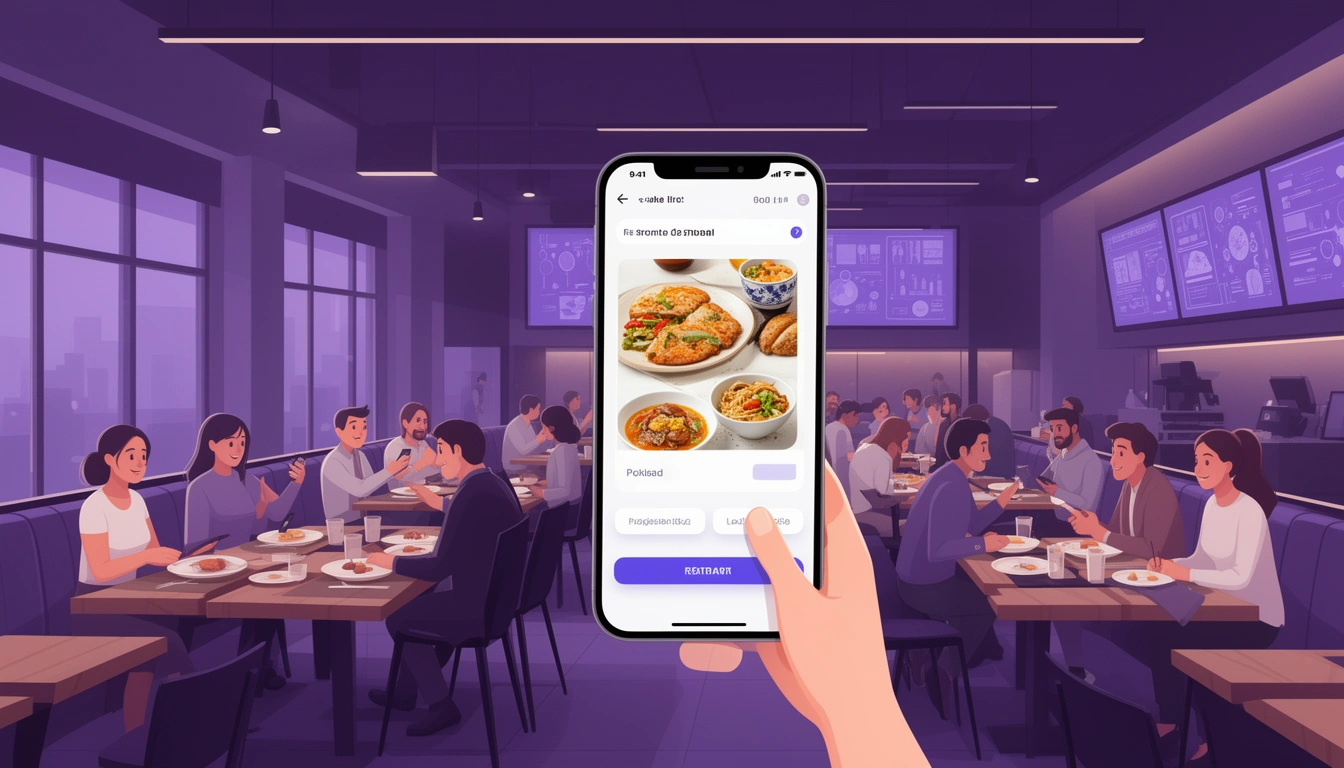
The restaurant industry has undergone a dramatic transformation in recent years, with mobile technology becoming essential for business success. Restaurant apps have evolved from simple digital menus to comprehensive platforms that handle everything from ordering to loyalty programs. Whether you're running a small cafe or managing multiple locations, understanding restaurant apps is crucial for staying competitive in 2026.
This guide explores everything you need to know about restaurant apps, from types and features to implementation strategies that can transform your business operations.
What Are Restaurant Apps?
Restaurant apps are mobile or web-based applications designed specifically for food service businesses. They serve multiple purposes: enabling customers to browse menus, place orders, make reservations, and earn rewards, while giving restaurant owners powerful tools to manage operations, track sales, and engage with their customer base.
Modern restaurant apps have become all-in-one solutions that integrate seamlessly with POS systems, kitchen displays, and payment processors. The best platforms, like Digital Eatery, offer both customer-facing and business management features in a single ecosystem.
Types of Restaurant Apps in 2026
Customer-Facing Ordering Apps
These apps allow customers to browse menus, customize orders, and place requests for delivery, pickup, or dine-in. They typically include features like real-time order tracking, saved favorites, and payment integration. For small businesses looking to implement this technology, a restaurant mobile app can significantly boost revenue and customer satisfaction.
Table-Side Ordering Apps
Staff members use these apps on tablets or smartphones to take orders directly at the table. Orders are instantly transmitted to the kitchen, reducing errors and improving service speed. Many restaurants combine this with contactless options, allowing customers to order via QR codes as well.
Kitchen Display System Apps
These apps replace traditional paper tickets in the kitchen, displaying orders in real-time on screens. They help kitchen staff prioritize orders, track preparation times, and communicate with front-of-house staff. Digital Eatery's kitchen display system streamlines this entire process.
Restaurant Management Apps
Comprehensive platforms that handle everything from inventory tracking to staff scheduling, sales analytics, and customer relationship management. These apps give owners real-time insights into their business performance from anywhere.
Essential Features of Modern Restaurant Apps
Intuitive Menu Management
The ability to update menus in real-time is crucial. Whether you're out of a daily special or launching a new dish, your app should allow instant updates that reflect across all customer touchpoints. Digital menu systems should support categories, search functionality, high-quality images, and detailed descriptions.
Multiple Order Types
Today's customers expect flexibility. Your app should seamlessly handle dine-in, takeaway, and delivery orders from a single platform. Each order type may have different requirements delivery needs address validation and driver assignment, while dine-in might require table selection and waiter calling features.
Customization Options
Customers want control over their meals. Apps should allow modifications like portion sizes, ingredient substitutions, spice levels, and special instructions. This level of customization not only improves satisfaction but also increases average order values.
Real-Time Order Tracking
Transparency builds trust. Customers should be able to see when their order is received, being prepared, ready for pickup, or out for delivery. Push notifications keep them informed without requiring constant app checking.
Integrated Payment Processing
Seamless payment is non-negotiable. Modern restaurant apps support multiple payment methods including credit cards, digital wallets, UPI, and even cash on delivery. The checkout process should be quick, secure, and require minimal steps.
Loyalty Programs and Rewards
Apps make it easy to implement and manage loyalty programs that drive repeat business. Customers can automatically earn points with each purchase, receive personalized offers, and redeem rewards all within the app interface.
Benefits of Restaurant Apps for Business Owners
Increased Revenue Streams
Apps open new revenue channels by making ordering more convenient. Customers who might not call to place an order will often do so through an app. Additionally, apps enable upselling through intelligent suggestions and promotional displays.
Direct Customer Relationship
Unlike third-party delivery platforms, your own app gives you direct access to customer data. You control the relationship, avoid commission fees, and can market directly to your audience. This is particularly valuable for building a sustainable business model.
Operational Efficiency
Apps reduce phone orders, minimize order errors through digital transmission, and streamline kitchen operations. Staff can focus on food quality and customer service rather than managing order chaos during peak hours.
Data-Driven Decisions
Modern restaurant apps provide comprehensive analytics. You can track which menu items are most popular, identify peak ordering times, understand customer preferences, and measure marketing campaign effectiveness. These insights drive smarter business decisions.
Reduced Commission Fees
Third-party delivery platforms typically charge 15-30% commission on each order. By directing customers to your own app, you keep more profit from every sale. Many restaurants recover their app investment within months through commission savings alone.
Choosing the Right Restaurant App Solution
Assess Your Business Needs
Start by identifying your priorities. Do you need delivery management? Multiple location support? Advanced inventory tracking? Understanding your requirements helps narrow down solutions that match your specific situation.
Consider Your Budget
Restaurant apps range from free basic solutions to expensive custom builds. For small to medium restaurants, platforms like Digital Eatery offer comprehensive features at affordable prices, avoiding the need for costly custom development while still meeting professional standards.
Evaluate Integration Capabilities
Your app should integrate with your existing systems POS, accounting software, payment processors, and marketing tools. Seamless integration prevents data silos and reduces manual work.
Check Customization Options
While you may not need a fully custom app, you should be able to brand it with your logo, colors, and imagery. The app should feel like a natural extension of your restaurant's identity.
Review Support and Training
Implementation support and ongoing assistance matter. Choose a provider that offers training for your staff, responsive customer service, and regular updates to keep your app current with technology trends and security requirements.
Implementation Best Practices
Start with Core Features
Don't try to launch every feature at once. Begin with essential functionality like menu browsing and ordering, then gradually add features like loyalty programs, reservations, or advanced analytics based on customer feedback and usage patterns.
Train Your Staff Thoroughly
Your team needs to understand how the app works from both customer and operational perspectives. Conduct comprehensive training sessions and create reference materials for common scenarios and troubleshooting.
Promote Your App Actively
Having an app means nothing if customers don't use it. Promote it through in-store signage, social media, email campaigns, and by offering download incentives like a discount on first app orders. Make QR codes available for easy downloads.
Gather and Act on Feedback
Regularly solicit customer feedback about their app experience. What features do they love? What's confusing? Use this information to continuously improve and refine your app offering.
Monitor Performance Metrics
Track key performance indicators like app downloads, active users, order frequency, average order value, and customer retention rates. These metrics help you understand ROI and identify areas for improvement.
Restaurant Apps and Food Safety in 2026
Modern restaurant apps play an important role in food safety and compliance. They can track preparation times, ensure FIFO inventory rotation, record temperature logs, and maintain digital records for health inspections. This digitization reduces manual paperwork while improving accuracy and accountability.
The Future of Restaurant Apps
As we progress through 2026, restaurant apps continue to evolve. Artificial intelligence is enabling personalized menu recommendations, predictive ordering, and intelligent inventory management. Voice ordering integration with smart speakers is becoming standard. Augmented reality features let customers visualize dishes before ordering.
For small and medium restaurants, the good news is that these advanced features are becoming more accessible. Platforms like Digital Eatery's online ordering system democratize technology that was once only available to large chains.
Why Digital Eatery for Your Restaurant App Needs
Digital Eatery provides a comprehensive restaurant app solution designed specifically for small to medium-sized businesses. The platform includes customer-facing ordering apps, staff management tools, kitchen display systems, and business analytics all in one integrated package.
Unlike expensive custom solutions or limited free options, Digital Eatery offers professional-grade features at accessible pricing. You can launch your restaurant app in minutes, manage multiple outlets from a single account, and avoid the high commission fees of third-party platforms.
The system supports customizable menus, multiple order types, integrated payments, loyalty programs, and real-time order tracking. For businesses looking to modernize their operations without breaking the budget, Digital Eatery provides the perfect balance of functionality, affordability, and ease of use.
Conclusion
Restaurant apps have transitioned from luxury to necessity in 2026. They provide the convenience customers expect while giving restaurant owners powerful tools to increase revenue, improve efficiency, and build lasting customer relationships.
Whether you're just starting to explore custom restaurant apps or ready to implement a comprehensive solution, understanding the landscape helps you make informed decisions that benefit your business for years to come.
The key is choosing a solution that matches your current needs while providing room to grow. With the right restaurant app, you can compete with larger chains, retain more profit from every order, and create the seamless digital experience that modern diners expect.
Published with LeafPad