
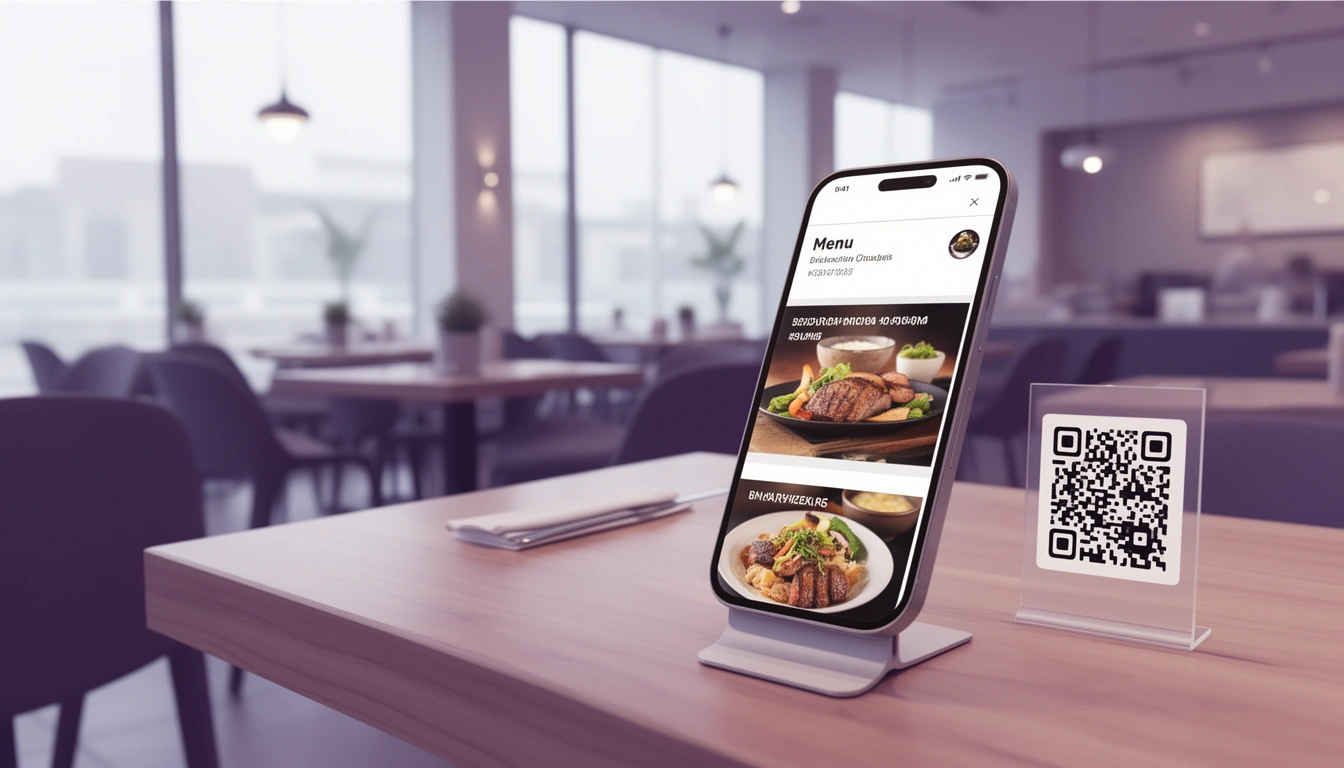
Digital menus have transformed the restaurant industry, offering a modern alternative to traditional paper menus. As we navigate through 2026, more restaurants are adopting digital menu solutions to enhance customer experience, reduce costs, and streamline operations. This comprehensive guide explores everything you need to know about digital menus and how they can revolutionize your restaurant business.
What Is a Digital Menu?
A digital menu is an electronic version of your restaurant's menu that customers can access through various devices such as smartphones, tablets, or digital displays. Unlike traditional paper menus, digital menus can be updated instantly, feature high-quality images, and provide interactive elements that enhance the dining experience.
Digital menus come in several formats including QR code menus, tablet-based ordering systems, and digital menu boards. Each format serves different restaurant types and operational needs, from quick-service restaurants to fine dining establishments.
Benefits of Digital Menus for Restaurants
1. Cost Savings
One of the most significant advantages of digital menus is the elimination of printing costs. Restaurants spend hundreds to thousands of dollars annually on menu printing, especially when prices change or seasonal items are added. Digital menus eliminate these recurring expenses entirely.
2. Real-Time Updates
With digital menus, you can update prices, add new items, or remove out-of-stock dishes instantly. This flexibility ensures customers always see accurate information and prevents disappointment when ordering unavailable items. This is particularly valuable during supply chain disruptions or when running limited-time promotions.
3. Enhanced Customer Experience
Digital menus provide rich visual content including high-resolution food images, detailed ingredient lists, and nutritional information. Customers can easily search for specific dishes, filter by dietary preferences, and browse at their own pace without feeling rushed by wait staff.
4. Hygiene and Safety
Post-pandemic customers remain conscious about hygiene. Digital menus reduce physical contact points in your restaurant, addressing health concerns while providing a modern dining experience. This aligns perfectly with the broader trend of contactless dining solutions that have become standard in 2026.
5. Upselling Opportunities
Digital menus can strategically highlight high-margin items, suggest complementary dishes, and showcase daily specials with eye-catching visuals. This subtle marketing increases average order values without aggressive sales tactics.
Types of Digital Menu Solutions
QR Code Menus
QR code menus are the most popular digital menu format in 2026. Customers scan a QR code placed on tables or at the entrance using their smartphones, instantly accessing your menu on their personal devices. This solution requires minimal hardware investment and works with any smartphone.
Tablet Ordering Systems
Some restaurants provide tablets at each table where customers can browse the menu and place orders directly. While requiring more upfront investment, tablet ordering systems offer a premium experience and work well for table-service restaurants.
Digital Menu Boards
Digital menu boards are large displays typically used in quick-service restaurants and cafes. They can showcase rotating menu items, promotional videos, and dynamic pricing, making them ideal for high-traffic locations.
Mobile App Menus
Restaurants with custom mobile apps integrate digital menus directly into their applications. This approach works best for restaurants with strong brand loyalty and frequent customers who benefit from integrated loyalty programs and order history.
Key Features to Look for in Digital Menu Software
Easy Menu Management
Your digital menu platform should offer an intuitive interface for adding, editing, and removing menu items. Look for drag-and-drop functionality, bulk editing options, and the ability to schedule menu changes in advance.
Customization Options
The software should allow you to match your brand identity through customizable colors, fonts, and layouts. Your digital menu should feel like a natural extension of your restaurant's aesthetic.
Multi-Language Support
For restaurants in diverse areas or tourist destinations, multi-language support helps you serve international customers effectively. Customers should be able to switch between languages with a single tap.
Integration Capabilities
Your digital menu should integrate seamlessly with your existing systems including POS, kitchen display systems, and inventory management. Digital Eatery offers comprehensive online ordering integration that connects your digital menu with your entire restaurant operation.
Analytics and Insights
Advanced digital menu platforms provide valuable data about customer behavior, popular items, and browsing patterns. These insights help you optimize your menu for maximum profitability.
How to Implement a Digital Menu in Your Restaurant
Step 1: Choose the Right Platform
Evaluate different digital menu solutions based on your restaurant type, budget, and technical requirements. Consider platforms like Digital Eatery that offer free online ordering systems with integrated digital menu capabilities.
Step 2: Digitize Your Menu Content
Photograph your dishes professionally or use high-quality stock images. Write compelling descriptions that highlight unique ingredients and preparation methods. Include allergen information and dietary labels to help customers make informed choices.
Step 3: Design for User Experience
Organize your menu logically with clear categories. Ensure text is readable on mobile devices and loading times are minimal. Test the menu on various devices before launching to identify any usability issues.
Step 4: Train Your Staff
Educate your team about the digital menu system, how to help customers access it, and how to troubleshoot common issues. Staff should be comfortable explaining the benefits to customers who may be hesitant about new technology.
Step 5: Launch and Promote
Introduce your digital menu with clear signage and staff guidance. Consider offering a small incentive for first-time digital menu users. Gather feedback during the initial weeks and make necessary adjustments.
Digital Menu Best Practices for 2026
Keep It Simple
Avoid overwhelming customers with too many options. Use clear categorization and ensure navigation is intuitive. A cluttered digital menu can be just as problematic as a poorly designed paper menu.
Optimize for Mobile
Since most customers will view your digital menu on smartphones, ensure it's mobile-responsive with appropriately sized buttons and text. Test on various screen sizes to ensure consistent performance.
Include High-Quality Visuals
Invest in professional food photography. Studies show that menus with appealing images increase order values by up to 30%. Ensure images accurately represent your dishes to avoid customer disappointment.
Highlight Specials and Promotions
Use your digital menu to showcase daily specials, limited-time offers, and chef's recommendations. Dynamic content keeps customers engaged and encourages repeat visits.
Make It Accessible
Ensure your digital menu is accessible to customers with disabilities. Include options for text size adjustment, screen reader compatibility, and clear contrast ratios.
Digital Menus and Online Ordering Integration
The true power of digital menus emerges when integrated with online ordering capabilities. Customers can transition seamlessly from browsing your menu to placing orders for dine-in, takeaway, or delivery. This integration, as offered through digital food ordering systems, creates a unified customer experience while reducing operational complexity.
Digital Eatery's platform combines digital menus with comprehensive restaurant management features, allowing you to manage everything from menu updates to order fulfillment through a single dashboard.
Overcoming Common Digital Menu Challenges
Technology Resistance
Some customers, particularly older demographics, may prefer traditional menus. Keep a few paper menus available as backup and train staff to assist customers who need help accessing digital menus.
Internet Connectivity Issues
Ensure your restaurant has reliable WiFi and consider offering free guest access. Choose digital menu platforms that cache content locally to minimize loading issues.
Initial Setup Costs
While digital menus save money long-term, initial setup requires investment in photography, software, and possibly hardware. Start with a basic implementation and expand features gradually as you see returns.
The Future of Digital Menus
As we progress through 2026, digital menus continue to evolve. Emerging trends include AI-powered personalization that suggests dishes based on dietary preferences and order history, augmented reality features that let customers visualize dishes in 3D, and voice-activated ordering for hands-free browsing.
Integration with loyalty programs and customer data management systems enables increasingly personalized experiences. Digital menus are becoming central hubs for customer engagement rather than simple information displays.
Conclusion
Digital menus represent more than just a technological upgrade they're a strategic tool for improving customer experience, reducing costs, and increasing revenue. Whether you operate a small cafe or multi-location restaurant chain, digital menus offer scalable solutions that adapt to your specific needs.
The transition to digital menus aligns with broader customer expectations for contactless, efficient dining experiences. By implementing a well-designed digital menu system, you position your restaurant for success in an increasingly digital marketplace while maintaining the quality and service that keeps customers returning.
Ready to transform your restaurant with a digital menu? Explore how Digital Eatery can help you implement a comprehensive digital solution that includes menus, ordering, and complete restaurant management all in one platform.