
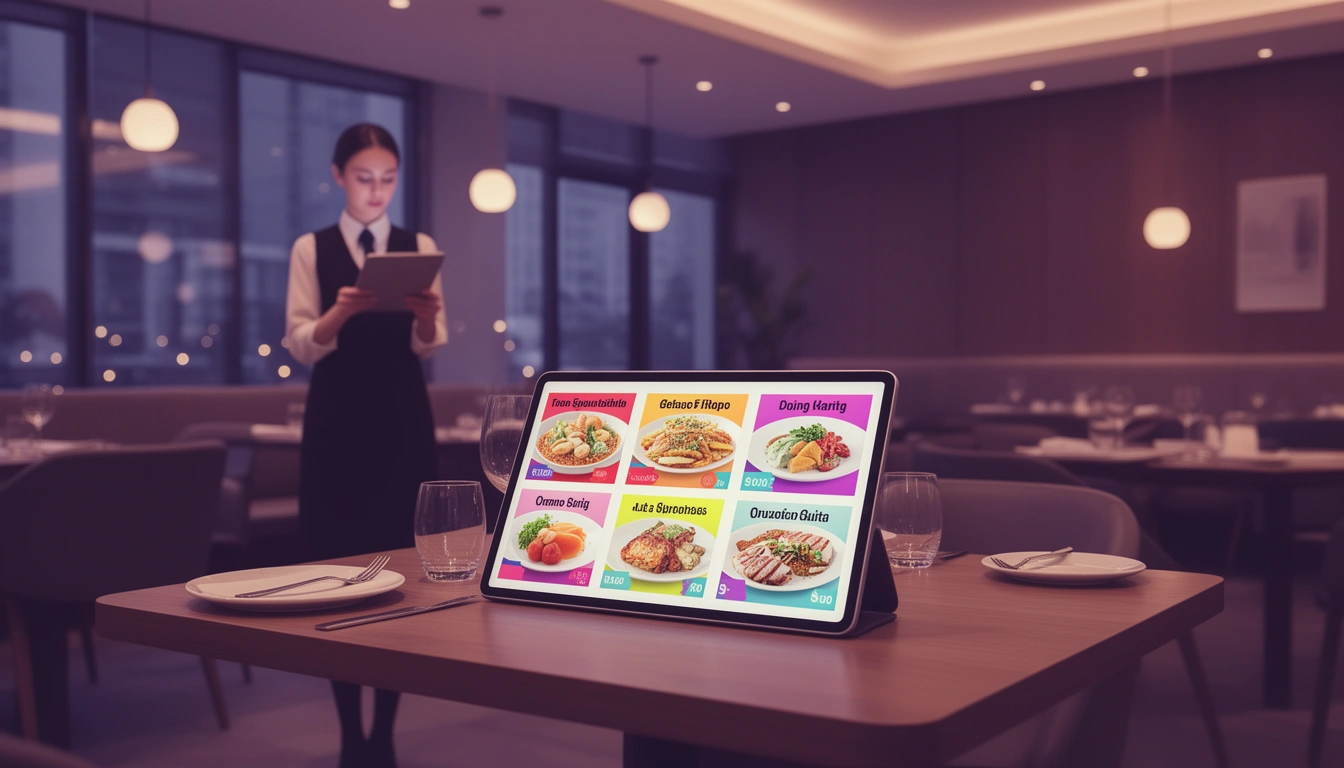
Tablet ordering systems are revolutionizing how restaurants operate in 2026, transforming the dining experience while dramatically improving efficiency and profitability. Whether you're running a busy cafe, casual dining restaurant, or fine dining establishment, implementing a tablet-based ordering solution can streamline operations and enhance customer satisfaction.
In this comprehensive guide, we'll explore everything you need to know about tablet ordering systems for restaurants, including their benefits, key features, implementation strategies, and how they integrate with modern restaurant management solutions.
What Is a Tablet Ordering System?
A tablet ordering system is a digital solution that allows restaurant staff or customers to place orders directly through tablet devices instead of traditional paper-based methods. These systems connect seamlessly with your kitchen, billing software, and inventory management, creating a unified ecosystem that eliminates manual errors and speeds up service.
Modern tablet ordering systems come in two primary formats: staff-operated tablets that servers use for tableside ordering, and customer-facing tablets that enable self-service ordering for dine-in guests.
Key Benefits of Tablet Ordering Systems
1. Faster Order Processing
Tablet ordering eliminates the traditional back-and-forth between servers, the billing counter, and the kitchen. Orders go directly from the table to the kitchen display system, reducing wait times by up to 40%. This speed improvement means you can serve more customers during peak hours without compromising service quality.
2. Increased Order Accuracy
Handwriting errors and miscommunication are major sources of order mistakes in restaurants. With tablet ordering, every item, modification, and special instruction is clearly recorded and transmitted digitally. Studies show that restaurants using tablet ordering systems experience up to 85% fewer order errors compared to traditional methods.
3. Higher Average Order Values
Digital menus on tablets can strategically showcase high-margin items, display appealing food images, and suggest complementary items. When customers browse at their own pace or servers use tablets to present options visually, average order values typically increase by 15-25%.
4. Improved Table Turnover
Faster ordering and billing processes mean customers spend less time waiting and more time enjoying their meals. This improved efficiency can increase table turnover rates by 20-30%, directly impacting your restaurant's revenue potential.
5. Enhanced Customer Experience
Modern diners appreciate technology that gives them control and transparency. Tablet ordering systems allow customers to browse menus thoroughly, customize orders precisely, and even split bills easily all contributing to higher satisfaction scores.
Essential Features to Look For
Menu Management
Your tablet ordering system should offer intuitive menu browsing with categories, search functionality, and the ability to display high-quality images. Real-time menu updates ensure that sold-out items are immediately removed, preventing customer disappointment.
Customization Options
Customers today expect personalization. Your system should handle size variations, ingredient modifications, dietary preferences, and special instructions seamlessly. This flexibility is crucial for accommodating diverse customer needs and dietary restrictions.
Integration with Kitchen Display
Orders from tablets should flow directly to a kitchen display system, allowing chefs to see incoming orders in real-time, prioritize preparation, and update order status. This integration eliminates paper tickets and streamlines kitchen operations significantly.
Payment Processing
Modern tablet systems should support multiple payment methods including cards, digital wallets, and UPI payments. The ability to process payments tableside reduces wait times and improves the overall dining experience.
Analytics and Reporting
Comprehensive data collection helps you understand customer preferences, peak ordering times, and popular menu items. These insights are invaluable for menu optimization, staffing decisions, and promotional strategies.
Staff-Operated vs. Customer Self-Service Tablets
Staff-Operated Tablets
With this approach, servers carry tablets to take orders tableside. This maintains the personal touch of traditional service while adding digital efficiency. Staff-operated tablets are ideal for full-service restaurants where customer interaction is part of the brand experience.
Benefits include better upselling opportunities through trained staff, maintained service quality, and easier implementation since it doesn't require major operational changes.
Customer Self-Service Tablets
Self-service tablets placed at tables allow customers to browse menus and place orders independently. This model works well for quick-service restaurants, cafes, and establishments targeting tech-savvy demographics.
Advantages include reduced labor costs, elimination of language barriers for international customers, and the ability to browse menus without feeling rushed. However, some customers may still prefer human interaction, so offering both options can be ideal.
Implementation Best Practices
Staff Training
Even the most intuitive system requires proper training. Invest time in teaching your team how to use the tablets efficiently, troubleshoot common issues, and assist customers who may need help with self-service options.
Gradual Rollout
Consider implementing tablet ordering in phases. Start with a few tables or during specific shifts to identify and resolve issues before full deployment. This approach minimizes disruption and allows your team to adapt gradually.
Customer Communication
If you're introducing customer-facing tablets, clear signage and brief instructions help ensure smooth adoption. Some restaurants also keep staff available to assist first-time users until they become comfortable with the system.
Regular System Updates
Keep your tablet software updated to ensure security, access new features, and maintain optimal performance. Regular menu updates also keep content fresh and accurate.
Integrating Tablet Ordering with Your Restaurant Management System
For maximum efficiency, your tablet ordering system should integrate seamlessly with your restaurant billing software. This integration ensures that all orders, payments, and inventory changes are tracked in real-time across your entire operation.
A unified system eliminates duplicate data entry, reduces errors, and provides comprehensive insights into your restaurant's performance. For businesses with multiple locations, integration with multi-location management features allows centralized oversight while maintaining location-specific customization.
Enhancing Customer Loyalty Through Tablet Ordering
Tablet ordering systems can significantly boost customer retention when integrated with customer management features. By capturing customer preferences, order history, and contact information, you can create personalized experiences and targeted promotions.
Loyalty program integration allows customers to earn and redeem points directly through the tablet interface, making the process seamless and encouraging repeat visits. This strategy has been shown to increase repeat orders significantly.
Cost Considerations and ROI
While implementing a tablet ordering system requires initial investment, the return on investment typically materializes within 6-12 months. Costs include hardware (tablets and stands), software subscriptions, and integration with existing systems.
However, the savings from reduced order errors, improved efficiency, decreased paper costs, and potentially lower labor requirements often offset these expenses quickly. Additionally, increased average order values and faster table turnover directly boost revenue.
Future Trends in Tablet Ordering
As we progress through 2026, tablet ordering systems continue evolving with artificial intelligence-powered recommendations, voice ordering capabilities, and augmented reality menu visualizations. These innovations promise even more engaging customer experiences and operational improvements.
Sustainability features are also gaining prominence, with digital receipts and paperless operations appealing to environmentally conscious customers.
Choosing the Right Solution for Your Restaurant
When selecting a tablet ordering system, consider factors like ease of use, integration capabilities, customer support quality, scalability, and pricing structure. The best solution should align with your specific restaurant type, target audience, and operational needs.
For small to medium-sized restaurants and cafes, comprehensive platforms that combine tablet ordering with billing, inventory management, and customer relationship tools offer the best value and seamless operation.
Conclusion
Tablet ordering systems represent a smart investment for restaurants looking to improve efficiency, enhance customer experience, and increase profitability in 2026. By eliminating manual processes, reducing errors, and providing valuable customer insights, these systems have become essential tools for competitive restaurants.
Whether you choose staff-operated tablets for personalized service or customer self-service options for maximum efficiency, the key is selecting a solution that integrates smoothly with your existing operations and scales with your business growth.
The future of restaurant ordering is undeniably digital, and implementing a tablet ordering system positions your establishment at the forefront of this evolution, ready to meet the expectations of modern diners while optimizing your operations for maximum success.