
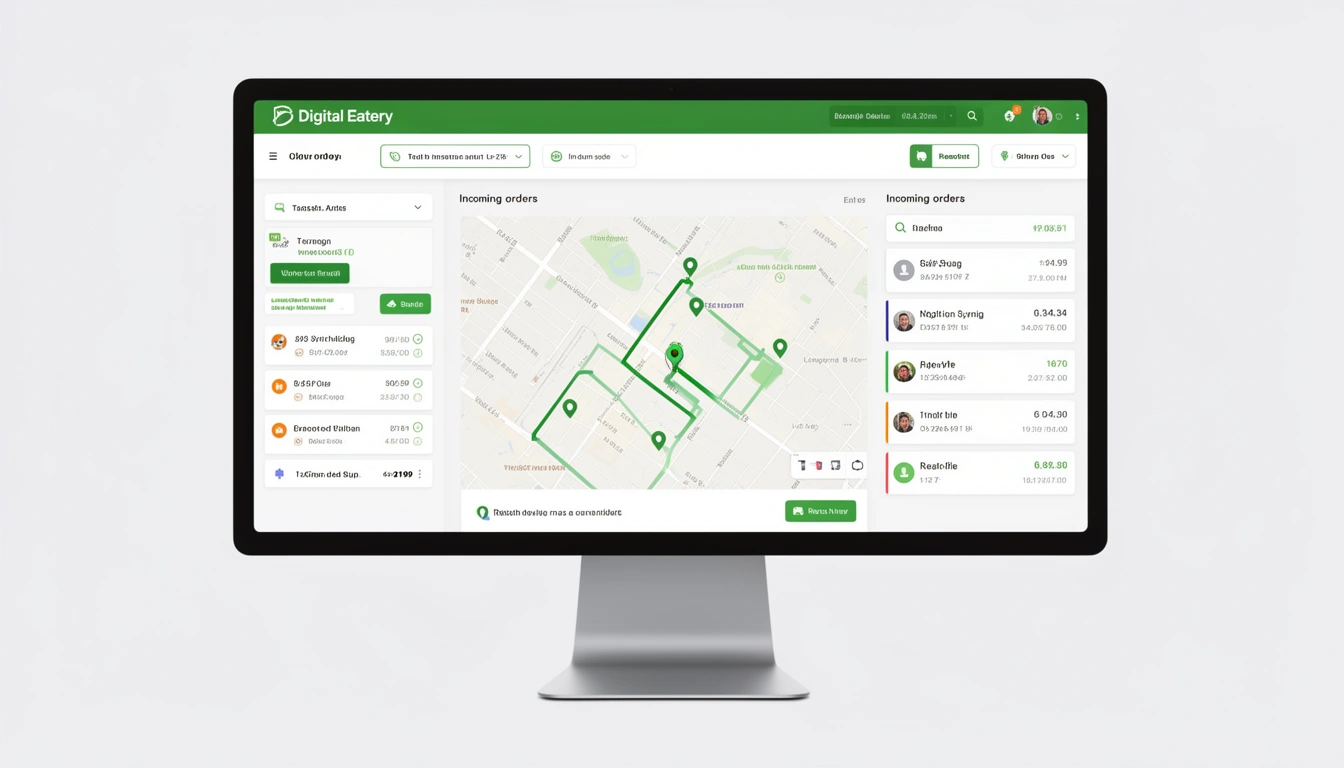
Running a successful restaurant delivery operation in 2026 requires more than just good food it demands sophisticated technology to manage orders, track deliveries, and maintain customer satisfaction. Restaurant delivery software has become the backbone of modern food service businesses, enabling them to compete effectively in an increasingly digital marketplace.
Whether you're just starting to offer delivery services or looking to upgrade your current system, understanding restaurant delivery software is crucial for maximizing efficiency and profitability.
What Is Restaurant Delivery Software?
Restaurant delivery software is a comprehensive digital solution that manages every aspect of your delivery operations from order placement to final delivery. Unlike basic ordering systems, delivery software integrates order management, dispatch coordination, driver tracking, and customer communication into a single platform.
Modern delivery software goes beyond simple order processing. It optimizes delivery routes, manages multiple drivers, provides real-time tracking, and offers customers transparency throughout their ordering journey. For small to medium-sized restaurants, this technology levels the playing field against larger competitors and third-party delivery platforms.
Essential Features of Restaurant Delivery Software
Order Management Dashboard
A centralized dashboard is the command center of your delivery operations. It should display all incoming orders from multiple channels your website, mobile app, phone orders, and even dine-in customers requesting takeaway. The best systems allow you to accept, modify, or decline orders with a single click while automatically notifying customers of their order status.
Real-Time Order Tracking
Customers expect transparency in 2026. Real-time tracking shows them exactly where their order is in the preparation and delivery process. This feature reduces anxiety calls to your restaurant and improves overall customer satisfaction. Digital Eatery's online ordering system includes built-in tracking that keeps customers informed every step of the way.
Driver Management and Dispatch
If you're managing your own delivery fleet, driver management features are critical. The software should allow you to assign orders to specific drivers, track their locations, monitor performance metrics, and calculate delivery times based on distance and traffic conditions. This self-delivery option can save significant money compared to third-party platforms.
Route Optimization
Advanced delivery software uses algorithms to determine the most efficient delivery routes, reducing fuel costs and delivery times. When drivers handle multiple orders simultaneously, route optimization ensures they complete deliveries in the logical sequence, keeping food hot and customers happy.
Multi-Channel Integration
Your delivery software should aggregate orders from all sources into one system. Whether customers order through your website, mobile app, or third-party platforms, everything should flow into a single dashboard to prevent confusion and missed orders.
Benefits of Using Restaurant Delivery Software
Reduced Operational Costs
By managing your own deliveries through software rather than relying solely on third-party platforms, you can save 15-30% on commission fees. Digital Eatery's platform allows restaurants to build their own delivery infrastructure without the high costs associated with major delivery aggregators.
Improved Order Accuracy
Digital orders eliminate the miscommunication that often occurs with phone orders. Customers input their exact requirements, including special instructions and customizations, directly into the system. This reduces errors, food waste, and customer complaints.
Enhanced Customer Experience
Modern customers value convenience and transparency. With features like real-time tracking, estimated delivery times, and automated notifications, your delivery software keeps customers informed and engaged. This improved experience translates directly into higher customer retention and positive reviews.
Better Data and Insights
Delivery software collects valuable data about customer preferences, peak ordering times, popular menu items, and delivery performance. These insights help you make informed decisions about menu offerings, staffing, and marketing strategies. Understanding your delivery patterns can increase profitability by 20-40%.
Scalability for Growth
As your restaurant grows, your delivery software should grow with you. Quality platforms support multiple locations, allowing you to manage delivery operations across different outlets from a single account.
How Restaurant Delivery Software Integrates with Your Operations
Kitchen Integration
The best delivery software connects seamlessly with your kitchen display system. Orders automatically appear on kitchen screens, prioritized by preparation time and delivery deadlines. This integration ensures that delivery orders don't disrupt your dine-in service while maintaining food quality.
POS System Connection
Integration with your point-of-sale system is essential for accurate accounting and inventory management. When delivery orders sync with your restaurant billing software, you maintain accurate records of all transactions without manual data entry.
Customer Database Management
Every delivery order adds to your customer database. Smart delivery software captures customer information, order history, and preferences, enabling you to create targeted marketing campaigns and loyalty programs. This customer management capability turns one-time delivery customers into regular patrons.
Choosing the Right Restaurant Delivery Software
Consider Your Business Size
Small restaurants with limited delivery volume need different features than high-volume operations. Look for software that matches your current needs but can scale as you grow. Avoid paying for enterprise features you won't use in the near future.
Evaluate Pricing Models
Restaurant delivery software typically uses subscription pricing, transaction fees, or a combination of both. Calculate the total cost based on your expected order volume. Some platforms offer free tiers for small businesses, making them ideal for restaurants just starting with delivery.
Check for Customization Options
Your delivery software should reflect your brand. Look for platforms that allow you to customize the customer-facing interface with your logo, colors, and messaging. A white-label solution ensures customers see your brand, not the software provider's.
Assess Technical Support
When your delivery system goes down, you need immediate support. Evaluate the provider's customer service reputation, support hours, and response times. Reading reviews from other restaurant owners can provide valuable insights.
Test Mobile Functionality
Most delivery orders in 2026 come from mobile devices. Ensure the software provides an excellent mobile experience for both customers placing orders and drivers managing deliveries. Related to this, explore options for mobile order pickup to offer customers additional flexibility.
Common Challenges and Solutions
Managing Peak Hours
Delivery rushes during lunch and dinner can overwhelm your system. Good delivery software includes capacity management features that automatically adjust delivery times or temporarily pause new orders when your kitchen reaches capacity. This prevents over-promising and under-delivering.
Handling Delivery Zones
Define clear delivery zones based on distance, preparation time, and driver availability. Your software should automatically calculate whether an address falls within your delivery area and apply appropriate delivery fees based on distance.
Maintaining Food Quality
Software can help maintain food quality by optimizing delivery routes and providing accurate time estimates. Some systems even allow you to set different preparation times for different menu items, ensuring everything arrives at the optimal temperature.
Driver Accountability
GPS tracking and automated check-ins keep drivers accountable. The software should record pickup times, delivery times, and customer feedback, helping you identify top performers and address issues with underperforming drivers.
Future Trends in Restaurant Delivery Software
The delivery landscape continues evolving rapidly. Artificial intelligence is beginning to predict order volumes, helping restaurants prepare for busy periods. Voice ordering integration and advanced personalization based on customer data are becoming standard features.
Sustainability features are also emerging, with software helping restaurants reduce packaging waste and optimize delivery routes to minimize environmental impact. These features appeal to eco-conscious customers and can differentiate your restaurant from competitors.
Getting Started with Restaurant Delivery Software
Implementing delivery software doesn't have to be complicated. Start by identifying your specific needs do you want to manage your own drivers, or focus on streamlining orders from third-party platforms? For restaurants wanting full control, understanding different food delivery services for restaurants can help you make informed decisions.
Next, trial a few platforms to see which interface feels most intuitive for your team. Most providers offer free trials or demo periods. During this time, test the software with a limited menu or during slower periods to identify any issues before full implementation.
Train your staff thoroughly on the new system. Everyone from kitchen staff to drivers needs to understand how the software works and how it benefits them. Well-trained teams adapt faster and experience fewer errors during the transition period.
Maximizing ROI from Your Delivery Software
Once your delivery software is operational, focus on optimization. Regularly review analytics to identify trends and opportunities. Which menu items are most popular for delivery? What times see the highest order volumes? Use these insights to adjust staffing, inventory, and marketing efforts.
Promote your delivery service actively. Since you're saving on third-party commissions, you can offer competitive pricing or loyalty rewards that bring customers directly to your platform. Email marketing, social media promotion, and in-restaurant signage all help drive traffic to your delivery system.
Monitor customer feedback closely. The software should collect ratings and reviews, giving you immediate insight into customer satisfaction. Address negative feedback quickly and use positive reviews in your marketing materials.
Conclusion
Restaurant delivery software is no longer optional for restaurants serious about delivery services it's essential infrastructure for modern food service businesses. The right platform streamlines operations, reduces costs, improves customer satisfaction, and provides valuable data for business growth.
For small to medium-sized restaurants, platforms like Digital Eatery offer comprehensive delivery management without the complexity and cost of enterprise solutions. By choosing software that integrates seamlessly with your existing operations and scales with your growth, you can build a profitable delivery business that complements your dine-in service.
The delivery market will continue growing throughout 2026 and beyond. Investing in quality delivery software now positions your restaurant to capture this expanding market while maintaining the efficiency and profitability that ensure long-term success.
Published with LeafPad