
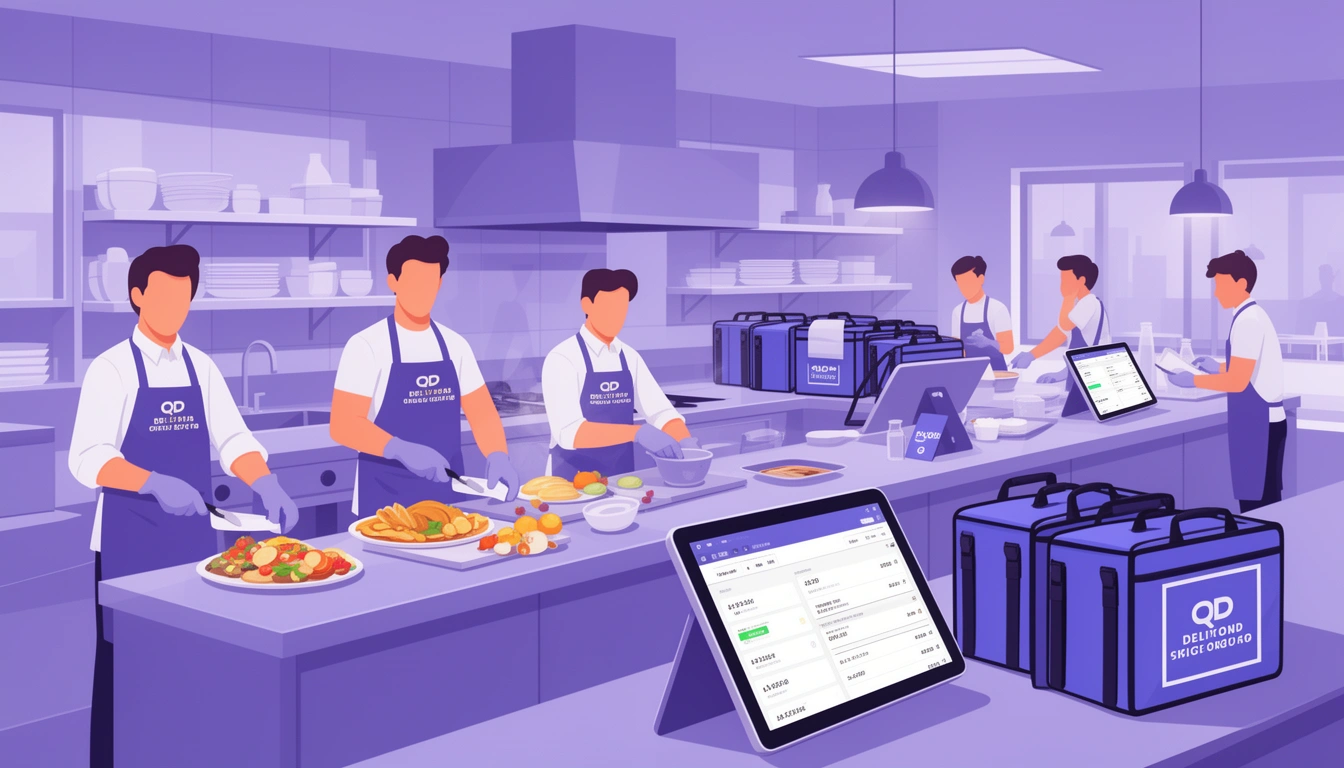
The restaurant industry has undergone a massive transformation in recent years, with food delivery services becoming an essential revenue stream rather than an optional extra. In 2026, understanding how to effectively leverage delivery services can mean the difference between thriving and merely surviving in a competitive market.
Whether you're running a small cafe, a family restaurant, or a multi-location establishment, choosing the right delivery strategy and tools is crucial for maximizing profits while maintaining food quality and customer satisfaction.
Understanding Food Delivery Service Options in 2026
Restaurant owners today face a critical decision: should they partner with third-party delivery platforms, build their own delivery infrastructure, or adopt a hybrid approach? Each option comes with distinct advantages and challenges.
Third-Party Delivery Platforms
Services like Uber Eats, DoorDash, and local delivery aggregators offer immediate access to a large customer base. However, they typically charge commission fees ranging from 15% to 30% per order, which can significantly impact your profit margins. While these platforms handle marketing, delivery logistics, and customer service, you sacrifice control over the customer relationship and valuable data.
Self-Delivery Systems
More restaurants are now opting for self-delivery solutions to retain higher profit margins and maintain direct customer relationships. With a digital food ordering system, you can accept orders directly through your website or app and manage deliveries in-house or through your own drivers.
This approach allows you to keep customer data, build loyalty programs, and avoid hefty commission fees. Digital Eatery's self-delivery option enables restaurants to save on delivery fees while maintaining complete control over the ordering experience.
Key Features Your Delivery System Must Have
Regardless of which delivery model you choose, your ordering system should include certain essential features to ensure smooth operations and customer satisfaction.
Real-Time Order Tracking
Customers in 2026 expect transparency. Real-time order tracking reduces anxiety and support calls by keeping customers informed about their order status from preparation to delivery. This feature has become non-negotiable for any serious delivery operation.
Multiple Payment Options
Offering diverse payment methods credit cards, digital wallets, UPI, and cash on delivery removes friction from the ordering process. The easier you make it to pay, the more orders you'll receive.
Smart Menu Management
Your delivery menu might differ from your dine-in offerings. Some dishes travel better than others, and portion sizes may need adjustment. A robust system allows you to customize your delivery menu, set item availability, and make real-time updates when ingredients run low.
Integration with Kitchen Display Systems
Delivery orders should flow seamlessly into your kitchen workflow. A kitchen display system ensures delivery orders are prioritized appropriately alongside dine-in orders, reducing preparation delays and improving food quality.
Optimizing Delivery Operations for Profitability
Simply offering delivery isn't enough you need to optimize every aspect of the operation to maintain profitability and quality.
Set Strategic Delivery Zones
Define clear delivery boundaries based on distance and time. Deliveries that take too long result in cold food and unhappy customers. Most successful restaurants limit delivery to a 15-20 minute radius to maintain food quality and reasonable delivery times.
Implement Minimum Order Values
Setting minimum order values helps ensure delivery orders remain profitable after accounting for packaging, delivery costs, and labor. Analyze your costs carefully to determine an appropriate minimum that balances accessibility with profitability.
Use Smart Packaging
Invest in quality packaging that keeps food at the right temperature and prevents spillage. While this adds to costs, it's essential for maintaining your reputation. Consider eco-friendly options, as sustainability is increasingly important to customers in 2026.
Optimize Delivery Times
Use data to identify peak delivery hours and staff accordingly. Having adequate kitchen staff and delivery personnel during rush times prevents delays that can damage your ratings and customer relationships.
Building Customer Loyalty Through Delivery
When you manage your own delivery system through an integrated platform, you gain valuable opportunities to build lasting customer relationships.
Leverage Customer Data
Unlike third-party platforms that own the customer relationship, a self-managed system gives you access to ordering patterns, preferences, and contact information. Use this data to create personalized promotions and recommendations.
Implement Delivery-Specific Loyalty Programs
Reward frequent delivery customers with points, discounts, or free delivery after a certain number of orders. Digital Eatery's loyalty program features make it easy to enroll delivery customers and track their rewards automatically.
Maintain Consistent Communication
Keep customers informed through automated notifications at each stage: order confirmation, preparation, out for delivery, and delivery completion. This transparency builds trust and reduces support inquiries.
Technology Integration for Seamless Delivery Operations
Modern delivery operations require technology that works together seamlessly rather than creating data silos and operational headaches.
Unified Order Management
Whether orders come from your website, custom restaurant app, phone calls, or walk-ins, they should all flow into a single system. This prevents confusion, reduces errors, and gives you a complete view of your business performance.
Automated Workflow Management
From order receipt to kitchen preparation to delivery dispatch, automation reduces manual work and errors. Digital Eatery's platform automatically routes orders to the kitchen display system and can integrate with delivery management tools.
Performance Analytics
Track key metrics like average delivery time, order accuracy, customer ratings, and profitability by dish. This data helps you continuously refine your delivery operations and menu offerings.
Hybrid Approach: Combining Self-Delivery with Third-Party Platforms
Many successful restaurants in 2026 use a hybrid model, maintaining their own online ordering system while also appearing on third-party platforms for discovery and reach.
This strategy allows you to capture loyal customers through your own channels (avoiding commission fees) while still reaching new customers through delivery aggregators. Offer incentives like loyalty points or discounts for customers who order directly from your website or app to gradually shift more orders to your own platform.
Overcoming Common Delivery Challenges
Managing Peak Times
During lunch and dinner rushes, orders can overwhelm your kitchen. Implement delivery time throttling to space out orders during peak periods, ensuring you can maintain quality without overtaxing your staff.
Handling Delivery Issues
Despite best efforts, delays and mistakes happen. Have clear protocols for handling complaints, offering refunds or credits, and learning from mistakes. Quick, generous resolution of problems often turns unhappy customers into loyal advocates.
Balancing Dine-In and Delivery
Don't let delivery orders compromise your dine-in experience. Ensure your kitchen workflow and staffing can handle both without one suffering. Some restaurants designate specific kitchen stations for delivery orders to prevent conflicts.
Future-Proofing Your Delivery Operations
The delivery landscape continues to evolve rapidly. Staying ahead means adopting flexible technology that can adapt to changing customer expectations and market conditions.
Look for systems that offer regular updates, new feature releases, and the ability to scale as your business grows. Whether you're managing a single location today or planning to expand to multiple outlets, your delivery infrastructure should grow with you.
Getting Started with Food Delivery
If you haven't yet implemented a structured delivery system, start by evaluating your current capabilities and customer demand. Consider beginning with a limited delivery radius and menu, then expanding as you refine your processes.
Digital Eatery provides an all-in-one solution that includes online ordering, self-delivery options, kitchen management, and customer loyalty programs everything you need to launch and scale profitable delivery operations without the complexity and cost of multiple systems.
Conclusion
Food delivery services are no longer optional for restaurants they're essential for reaching customers where they are and maximizing revenue potential. The key is choosing the right approach and technology that balances customer convenience with operational efficiency and profitability.
By implementing a robust delivery system that gives you control over the customer experience, data, and economics, you position your restaurant for sustained success in 2026 and beyond. Whether you opt for self-delivery, third-party partnerships, or a hybrid model, ensure your technology infrastructure supports seamless operations and exceptional customer experiences.