
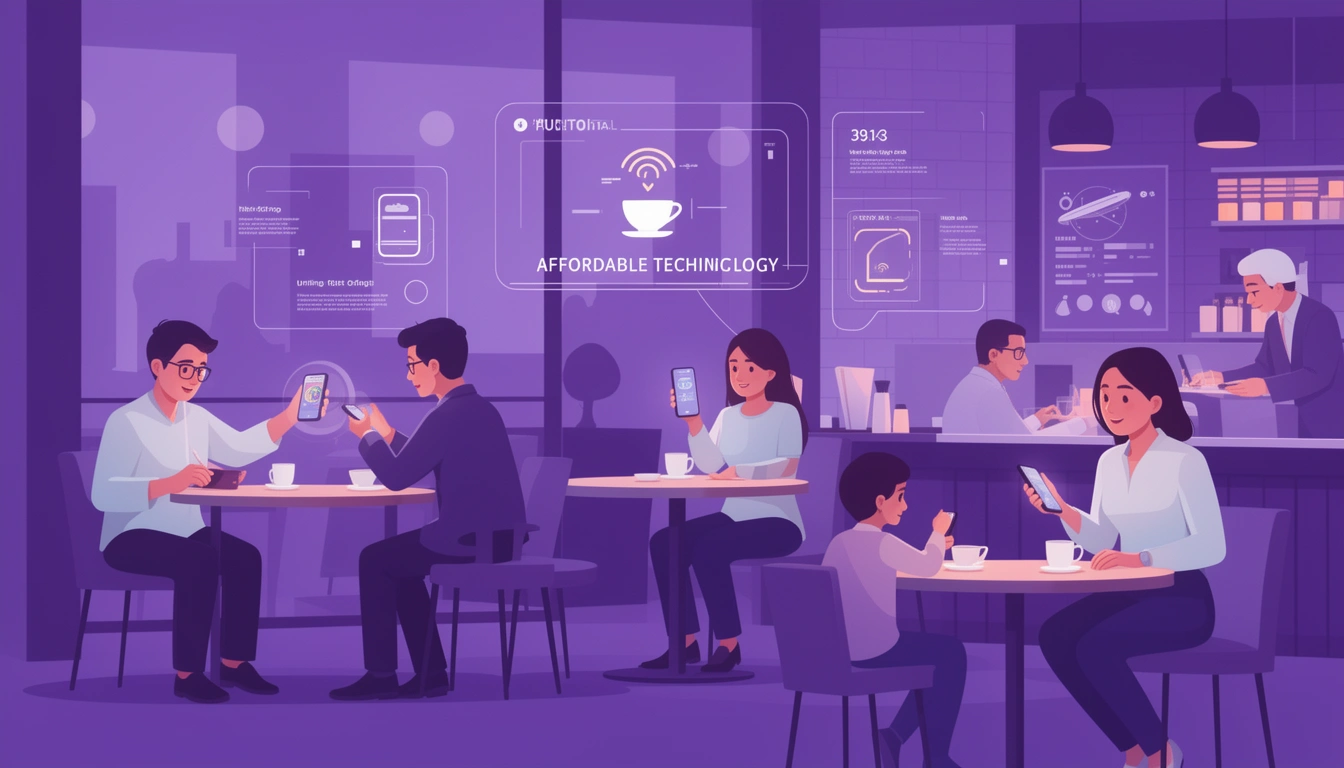
Running a restaurant on a tight budget doesn't mean you have to compromise on customer experience. Paging systems have become essential for managing customer flow, but many restaurant owners are put off by the high costs of traditional hardware. The good news? There are affordable alternatives that deliver the same benefits without breaking the bank.
In this guide, we'll explore cost-effective paging solutions for restaurants, cafes, and food trucks, helping you make an informed decision that fits your budget while improving operational efficiency.
Understanding Restaurant Pager Systems
Restaurant pagers, also known as guest paging systems or buzzer systems, notify customers when their table is ready or their order is complete. Traditional systems involve giving customers a physical device that vibrates, lights up, or beeps when activated from a base station.
These systems help reduce crowding at the counter, minimize perceived wait times, and allow customers to browse nearby areas while waiting. However, traditional pager systems can cost anywhere from $800 to $3,000 or more, making them a significant investment for small businesses.
Why Cheap Doesn't Mean Low Quality
When we talk about "cheap" pagers, we're referring to cost-effective solutions not inferior products. The restaurant technology landscape has evolved significantly, and several factors have made paging systems more affordable:
- Digital alternatives: Smartphone-based systems eliminate the need for expensive hardware
- Increased competition: More manufacturers mean better prices for consumers
- Simplified technology: Modern systems are easier and cheaper to produce
- Cloud-based solutions: Reduce infrastructure and maintenance costs
Budget-Friendly Paging Options for 2026
1. SMS-Based Paging Systems
One of the most affordable options is SMS text message notifications. Instead of purchasing hardware, you simply collect customer phone numbers and send automated text messages when their order or table is ready.
Pros:
- Minimal upfront investment (often free or under $50/month)
- No physical devices to maintain or replace
- Customers use their own phones
- Unlimited range customers can wait anywhere with cell service
Cons:
- Requires collecting customer phone numbers
- Some customers may have privacy concerns
- Depends on cellular service availability
2. Basic Buzzer Pager Systems
Entry-level buzzer systems with 10-20 pagers typically cost between $150-$400. While these are the most basic models, they're perfectly adequate for small cafes, food trucks, or quick-service restaurants with lower customer volumes.
What to look for:
- Range of at least 500 feet
- Rechargeable batteries to reduce ongoing costs
- Durable, waterproof design
- Clear vibration and visual alerts
3. Digital Display Systems
Display board systems show order numbers on a screen, eliminating the need for individual pagers. Customers watch the display for their number, similar to fast-food chains. Basic systems start around $100-$200.
Best for:
- Quick-service restaurants
- Food courts
- Bakeries and cafes with counter service
- High-volume establishments
4. App-Based Solutions
Modern restaurant management platforms like Digital Eatery include built-in notification features as part of their overall system. Rather than paying separately for paging hardware, you get customer notifications integrated with your restaurant billing software and online ordering platform.
This approach offers the best value because you're getting multiple features POS, online ordering, kitchen display, and customer notifications in one affordable package.
The Digital Eatery Advantage: Paging Without the Price Tag
Instead of investing hundreds or thousands in standalone paging hardware, Digital Eatery offers a comprehensive alternative through its customer management and notification features.
Here's how it works:
- Real-time order tracking: Customers receive automatic notifications about their order status
- Multiple notification methods: SMS, email, or in-app notifications keep customers informed
- Waiter call button: For dine-in customers, the integrated waiter calling system allows them to request service without waiting or waving
- No additional hardware needed: Everything works through existing smartphones and tablets
The best part? This functionality is included in Digital Eatery's affordable pricing plans, which start significantly lower than traditional POS systems plus separate paging hardware.
Calculating the True Cost of Ownership
When comparing paging options, consider the total cost over time, not just the initial purchase price:
Traditional Hardware Pagers:
- Initial cost: $800-$3,000
- Battery replacements: $50-$100/year
- Lost or broken pagers: $30-$50 each
- Repairs and maintenance: $100-$300/year
- 5-year total: $1,500-$5,000+
Digital/SMS Solutions:
- Initial cost: $0-$200
- Monthly fees: $0-$50
- Maintenance: Minimal to none
- Replacement costs: None
- 5-year total: $0-$3,200
The digital approach often costs less over time and provides better functionality.
Tips for Implementing Cheap Paging Systems
Start Small and Scale
If you're purchasing hardware pagers, start with a small set (10-15 units) and add more as needed. This prevents over-investment and helps you test the system's effectiveness.
Leverage Existing Technology
Use tools you already have. If you're running Digital Eatery for your online ordering and billing, take advantage of its built-in notification features before investing in separate hardware.
Train Staff Properly
Even the cheapest system won't deliver value if staff don't use it correctly. Ensure your team understands how to assign pagers/numbers, send notifications, and troubleshoot basic issues.
Maintain Equipment
If using physical pagers, establish a cleaning and charging routine. Well-maintained budget equipment can outlast expensive systems that are neglected.
Collect Customer Feedback
Ask customers how the paging system is working for them. Their insights can help you optimize the process and determine if upgrades are necessary.
When to Invest More in Paging Technology
While budget solutions work well for many restaurants, some situations may warrant higher investment:
- High-volume operations: Restaurants serving 200+ customers daily may need robust hardware
- Large physical spaces: If customers wait across multiple floors or outdoor areas, you'll need longer-range systems
- Upscale dining: Fine dining establishments may prefer sleek, premium pagers that match their brand
- Harsh environments: Outdoor venues or beachside restaurants need weatherproof, durable equipment
Even in these cases, integrated software solutions often provide better ROI than standalone hardware.
Making the Right Choice for Your Restaurant
The best paging solution depends on your specific needs, budget, and existing infrastructure. Consider these questions:
- How many customers do you serve during peak hours?
- What's your available budget for initial investment and ongoing costs?
- Do you already use restaurant management software with notification features?
- What's your customer demographic are they comfortable with digital solutions?
- How much physical space do customers have while waiting?
For most small to medium-sized restaurants and cafes, a digital-first approach offers the best combination of affordability, functionality, and customer experience. Platforms like Digital Eatery eliminate the need for separate paging investments by building these features into comprehensive, affordable restaurant management solutions.
Conclusion
Cheap pagers don't have to mean compromising on quality or customer experience. Whether you choose basic buzzer systems, SMS notifications, or integrated software solutions, affordable options exist that deliver excellent results without straining your budget.
The key is understanding your needs and choosing a solution that fits both your operational requirements and financial constraints. In 2026, digital and app-based systems offer the most cost-effective path forward, providing paging functionality alongside other essential restaurant management features.
By making smart choices about paging technology, you can improve customer satisfaction, streamline operations, and keep more money in your pocket the perfect recipe for restaurant success.